

ADHD in Women: Why It Is Often Missed or Misunderstood
A lot of women live with ADHD for years without realizing it.
They may know that daily life feels harder than it seems like it should. They may feel scattered, overwhelmed, inconsistent, emotionally exhausted, or constantly behind. But because they do not match the stereotype many people still have of ADHD, the possibility gets missed.
That stereotype is usually loud, restless, disruptive, and visibly hyperactive. But ADHD does not always look like that. NIMH notes that while anyone can have ADHD, boys and men tend to show more hyperactive and impulsive symptoms, while girls and women are more likely to be diagnosed with inattentive ADHD. (National Institute of Mental Health)
That difference matters.
When ADHD looks more internal than external, it is easier to overlook. A girl may be daydreaming instead of acting out. A young woman may be quietly disorganized instead of obviously hyperactive. An adult woman may look responsible on the outside while privately struggling to keep up with work, relationships, emotions, and daily routines. NIMH also notes that ADHD symptoms among girls and women are especially likely to have been missed in childhood. (National Institute of Mental Health)
If that sounds familiar, you are not alone. ADHD in women is often missed or misunderstood for reasons that have less to do with intelligence or effort and more to do with how symptoms show up, how women are socialized, and what people still expect ADHD to look like.
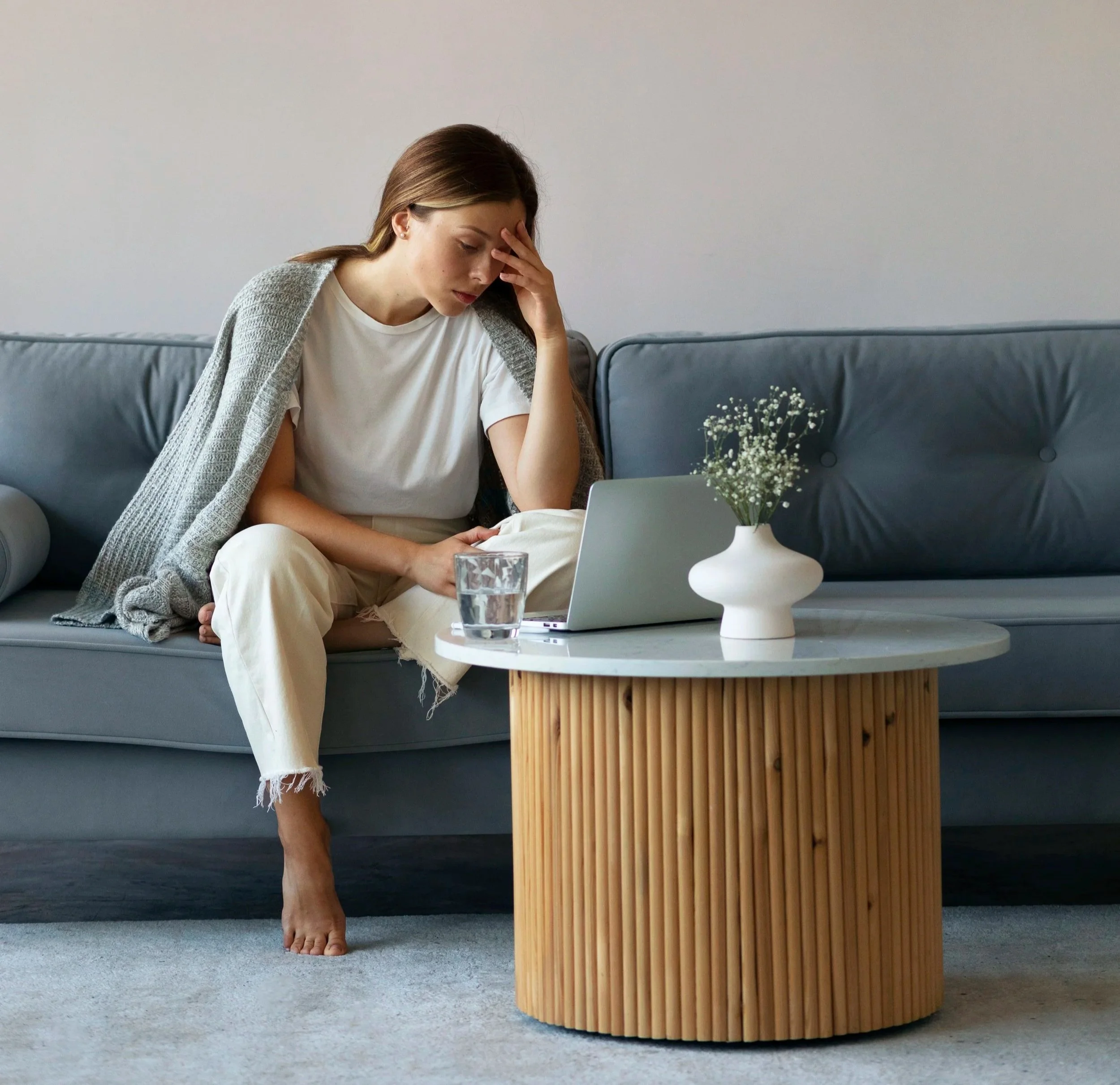
ADHD in women is often overlooked because many continue functioning despite significant internal challenges.
ADHD in women often looks quieter from the outside
One major reason ADHD gets missed in women is that the symptoms may be less outwardly disruptive.
NIMH says girls and women are more likely to be diagnosed with inattentive ADHD. The NHS also says ADHD is thought to be recognized less often in girls than boys and that this may be because girls more commonly have inattentive symptoms, which can be harder to notice. (National Institute of Mental Health)
That can mean ADHD looks more like:
daydreaming
forgetting things
losing track of tasks
struggling to stay organized
zoning out in conversations
missing details
seeming “spacey” or overwhelmed rather than disruptive
Because these signs are quieter, they are often mistaken for personality, stress, anxiety, or just being a little disorganized. A girl who is not causing obvious problems may not get noticed. A woman who is still functioning may be seen as fine, even when the cost of functioning is extremely high.
Many women learn to mask the struggle
Another reason ADHD gets missed is that many women get very good at compensating.
They may become the person who overprepares, triple-checks everything, stays up late to catch up, relies on panic to get things done, or works twice as hard to appear organized. From the outside, this can look like responsibility. Inside, it can feel like constant strain.
CDC notes that adults with ADHD can struggle with managing attention, completing lengthy tasks unless they are interesting, staying organized, and controlling behavior. ADHD in adults can also cause difficulty at work and in relationships. (CDC)
When a woman is compensating well enough to appear capable, people may miss the amount of effort it is taking. She may even miss it herself for a long time and assume she is just bad at keeping up.
That can turn into a painful pattern of self-blame:
“Why is this so hard for me?”
“Why do I keep dropping the ball?”
“Why can I do well sometimes and completely fall apart other times?”
If this part feels personal, it may be a sign that the issue is not lack of effort. It may be that you have been carrying ADHD in a way that is harder for others to see.
ADHD symptoms in women are often mistaken for anxiety or stress
Because ADHD in women can look internal and high functioning, it often gets confused with other issues.
A woman may seek help for:
anxiety
overwhelm
burnout
depression
low self-esteem
chronic stress
emotional reactivity
Those struggles can absolutely be real. But sometimes ADHD is part of the picture underneath them.
For example, chronic forgetfulness and disorganization can create anxiety. Constant last-minute pressure can lead to burnout. Years of feeling inconsistent can affect self-esteem. Repeated difficulties at work or in relationships can lead to depression or shame.
NIMH notes that adults with ADHD often have a history of problems with school, work, and relationships. CDC also notes that adult ADHD can affect work, home life, and relationships. (National Institute of Mental Health)
That does not mean every anxious or overwhelmed woman has ADHD. It does mean ADHD can be overlooked when the focus stays only on the emotional consequences rather than the underlying pattern.
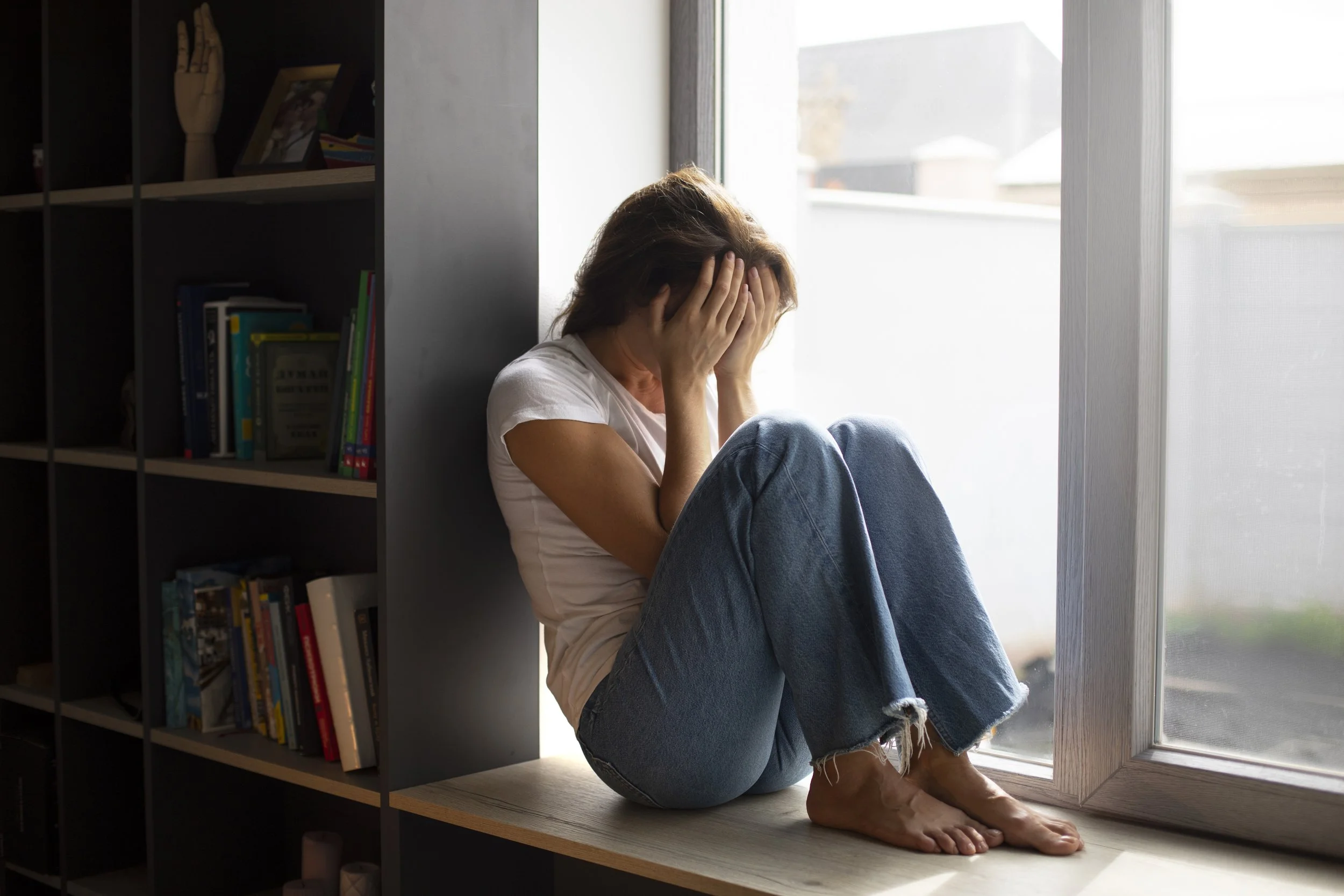
Many women with ADHD experience chronic overwhelm, forgetfulness, and executive functioning challenges that are often misunderstood.
Hyperactivity may show up as restlessness, not obvious running around
Another reason ADHD in women gets misunderstood is that hyperactivity may not look like the stereotype.
Instead of obvious physical hyperactivity, it may show up more like:
internal restlessness
racing thoughts
trouble relaxing
talking quickly
feeling mentally “on” all the time
needing constant stimulation
struggling with stillness
CDC notes that ADHD symptoms can look different in adults, and hyperactive symptoms in adults may show up as feeling internally restless and fidgety. NIMH also notes that symptoms may change as a person gets older. (CDC)
This matters because many women look at ADHD checklists and think, “That’s not me, I was never bouncing off the walls.” But if the restlessness was mostly internal, it still may fit.
Emotional dysregulation often gets missed too
Many women with ADHD do not only struggle with attention. They struggle with emotional regulation.
That may look like:
getting overwhelmed quickly
feeling rejection very strongly
becoming frustrated fast
having trouble calming down after stress
feeling embarrassed by the intensity of reactions
NICE guidance on ADHD recognizes emotional lability and emotional dysregulation as difficulties that can be part of ADHD presentations and associated challenges. (NHS Dorset)
This part is often misunderstood. A woman may be called too sensitive, too reactive, dramatic, or inconsistent when what is really happening is that ADHD is affecting the way her nervous system handles emotional intensity.
If you have spent a long time feeling like your emotions move faster than your ability to manage them, that may be worth looking at through an ADHD lens too.
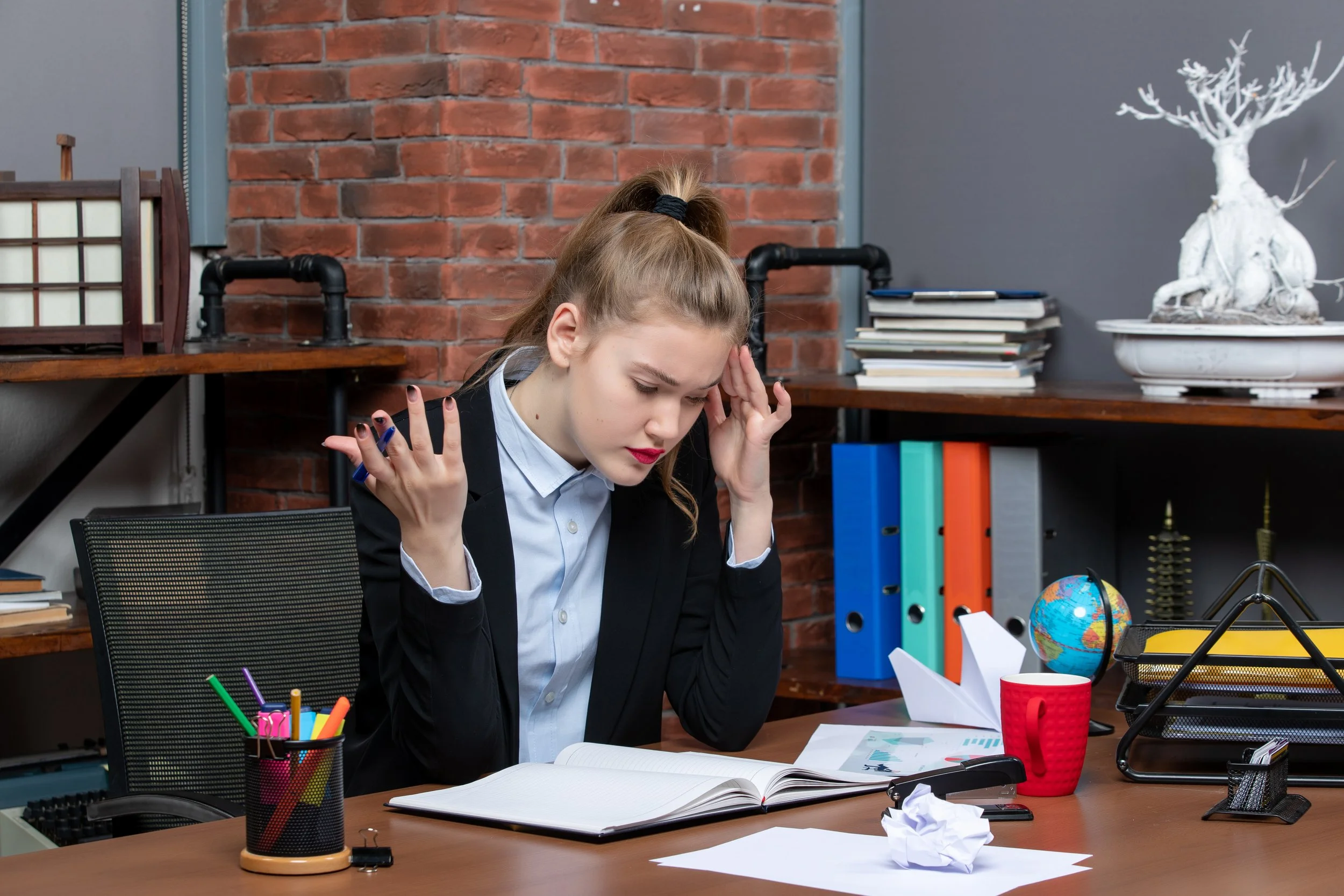
Women frequently develop coping strategies that hide ADHD symptoms, making diagnosis more difficult.
Women are often judged more harshly for disorganization and inconsistency
Social expectations play a role here too.
Women are often expected to be organized, emotionally tuned in, good at remembering details, managing schedules, and keeping daily life running smoothly. When ADHD affects those areas, the fallout can feel deeply personal.
A woman may struggle with:
keeping up with home routines
remembering appointments
following through on tasks
staying organized at work
managing parenting logistics
tracking messages, bills, and details
But instead of thinking “maybe this is ADHD,” she may think:
“I’m failing at adulthood.”
“Why can’t I keep up?”
“Everyone else seems to manage this.”
“I must just be lazy or bad at life.”
CDC notes that adult ADHD can make it difficult to stay organized and can affect healthy habits and daily functioning. (CDC)
That kind of repeated struggle often turns into shame long before anyone considers ADHD.
Symptoms may be missed in childhood and only make sense later
NIMH says ADHD symptoms in girls and women are especially likely to have been missed in childhood, and that ADHD can be diagnosed at any age as long as symptoms began in childhood. (National Institute of Mental Health)
That means many women do not get answers until adulthood.
Often, when they look back, they start noticing older patterns like:
daydreaming in class
being called bright but inconsistent
forgetting assignments
losing things constantly
doing well only under pressure
being emotionally sensitive
seeming disorganized or scattered
Because these patterns may not have looked disruptive enough, they were often brushed off. Then adulthood added more responsibilities, and the strain became harder to hide.
That is why some women only start asking questions when work, parenting, relationships, or emotional burnout finally push the pattern into the open.
ADHD in women often affects emotional regulation, self-esteem, and stress management in ways that are overlooked.
Adult ADHD in women can affect work and relationships in major ways
When ADHD goes unrecognized, it often shows up in the same painful places over and over.
At work, it may look like:
difficulty prioritizing
missed deadlines
inconsistent follow-through
trouble starting tasks
feeling overwhelmed by planning and organization
In relationships, it may look like:
forgetting details that matter
interrupting or zoning out
emotional reactivity
struggling to manage household systems
shame and defensiveness around repeated mistakes
CDC says adult ADHD can cause difficulty at work and with relationships, and adults with ADHD can struggle with staying organized and managing attention. (CDC)
This is one reason getting the right explanation can feel so relieving. It does not erase the challenges, but it can finally make them make sense.
Getting missed does not mean it is not real
This part matters a lot.
If ADHD was not noticed earlier, that does not mean you made it up.
If you got good grades, that does not automatically rule it out.
If you look capable from the outside, that does not mean there is no real struggle.
NIMH is clear that girls and women are more likely to present with inattentive ADHD and that symptoms in women are especially likely to have been missed in childhood. (National Institute of Mental Health)
Sometimes the issue was never that the symptoms were absent.
Sometimes the issue was that the symptoms did not match what people were looking for.
What to do if this sounds familiar
If you recognize yourself in this, the next step does not have to be dramatic.
CDC says talking with your doctor about ADHD is an important first step. (CDC)
That may look like:
writing down the patterns you keep noticing
looking at symptoms across childhood and adulthood
seeking an evaluation from a qualified professional
talking with a therapist who understands adult ADHD
getting support for both practical and emotional impact
A good therapist or evaluator can help sort out whether ADHD fits, whether anxiety or depression are also part of the picture, and what kind of support may actually help.

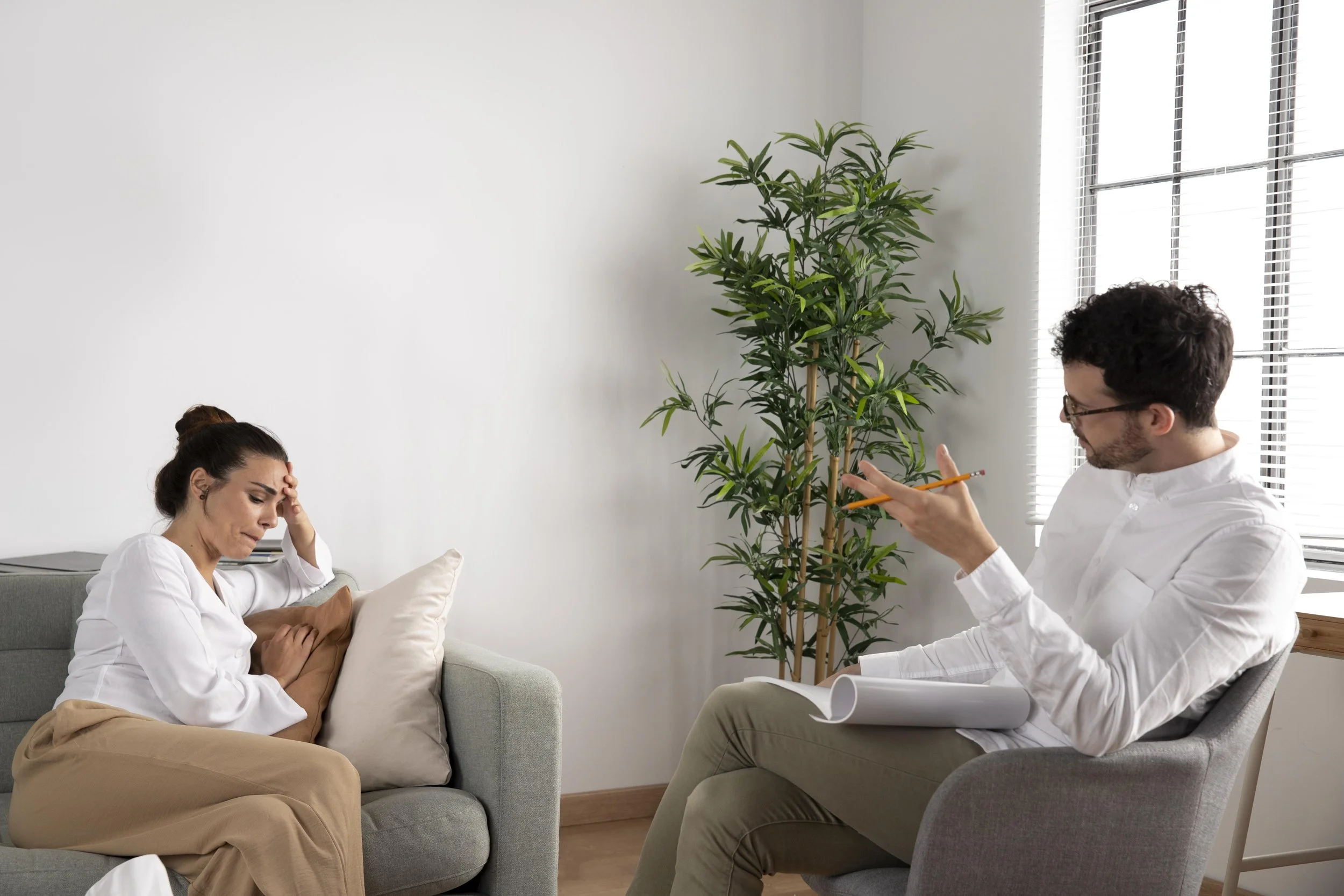
Therapy can help women better understand ADHD symptoms and develop practical tools for daily life.
The bigger picture
ADHD in women is often missed or misunderstood because it may look quieter, more internal, more masked, and more easily confused with stress or anxiety. NIMH and the NHS both point to the fact that girls and women are more likely to show inattentive symptoms, which are easier to overlook. (National Institute of Mental Health)
If you have spent years feeling scattered, overwhelmed, inconsistent, or hard on yourself, that does not automatically mean ADHD is the answer. But it may be worth asking the question.
Sometimes the most life-changing shift is not hearing “try harder.”
It is finally hearing, “There may be a reason this has felt so hard.”