

How Trauma Can Show Up Long After the Event Is Over
A lot of people expect trauma to look immediate and obvious.
They imagine flashbacks right after a frightening event, intense fear, or a period of visible distress that either gets better or does not. But trauma does not always move in a straight line. Some people have strong reactions right away. Others push through for weeks, months, or even years before realizing something still is not settled inside them. NIMH notes that many people have reactions after trauma and recover over time, but some continue to have symptoms that interfere with daily life. The NHS also notes that PTSD symptoms can begin soon after trauma, and some sources note delayed presentation can happen months or longer later. (National Institute of Mental Health)
That is one reason trauma can be easy to miss, especially when life keeps moving and you keep functioning. You may tell yourself the event is over, so your body and mind should be over it too. But trauma is not only about what happened then. It is also about what your nervous system learned to do in order to survive, and whether it ever fully got the message that the danger has passed. NIMH explains that after trauma, some people continue to feel stressed or frightened even when they are no longer in danger. (National Institute of Mental Health)

Trauma can continue affecting emotions, stress levels, and relationships long after difficult experiences have ended.
You feel on edge even during ordinary life
One of the most common long term signs of trauma is hyperarousal, which is a body that still acts like it needs to stay ready.
That can look like:
always scanning your surroundings
startling easily
feeling tense for no clear reason
getting irritated quickly
having trouble relaxing even at home
feeling like something bad might happen even on a normal day
These are recognized PTSD symptoms. NIMH and the NHS both describe being easily startled, feeling tense, irritability, and trouble relaxing as part of trauma related stress responses. (nhs.uk)
If this is happening, it does not mean you are dramatic or weak. It may mean your body is still protecting you based on an older danger, even if your current life is safer now. Therapy can help with that, especially when the focus includes nervous system regulation and trauma informed support.
You avoid more than you used to
Avoidance is one of the clearest ways trauma keeps shaping life after the event is over.
You may avoid:
certain places
certain people
conversations about what happened
news, movies, or topics that remind you of it
driving, crowds, intimacy, medical settings, or anything else linked to the event
The NHS lists avoidance as a core PTSD symptom, and NIMH includes staying away from reminders of the event among the main trauma patterns people may experience. (nhs.uk)
At first, avoidance can feel helpful because it lowers distress in the moment. But over time, it often makes life smaller. You may start organizing your world around not being triggered, which can quietly limit freedom, relationships, work, and daily routines. If you have been noticing that your life has narrowed around certain fears, that is worth paying attention to.

Past trauma may cause heightened emotional reactions and nervous system sensitivity years later
Sleep still does not feel safe or restful
Trauma often shows up at night.
You may notice:
trouble falling asleep
waking up often
vivid dreams or nightmares
waking in panic or dread
sleeping lightly, as if part of you is still on guard
feeling exhausted even after enough hours in bed
NIMH and Mayo Clinic both describe nightmares, sleep problems, and severe anxiety as common features of PTSD. (Mayo Clinic)
This matters because poor sleep does not stay contained to nighttime. It affects mood, concentration, patience, energy, and the ability to cope with everyday stress. If your sleep has been fragile for a long time after a traumatic event, it may be more than stress. It may be your nervous system still struggling to power down.
You feel numb, detached, or unlike yourself
Not everyone with unresolved trauma looks visibly anxious or upset. Some people feel less, not more.
You may feel:
emotionally flat
disconnected from people you care about
far away from your own body
like you are moving through life on autopilot
unable to feel joy or closeness the way you used to
NIMH notes that people with PTSD may feel detached or numb, and NIMH research has also highlighted persistent detachment after trauma as an important warning sign for worse mental health outcomes. (National Institute of Mental Health)
This can be especially confusing because numbness does not always look like suffering from the outside. Other people may assume you are fine, calm, or “over it.” But numbness is often a protective response, not a sign that healing is complete. If you no longer feel fully connected to your own life, that matters.

Emotional numbness and exhaustion can sometimes be signs of unresolved trauma affecting daily life.
Your reactions feel bigger than the current moment
Trauma often shows up in the gap between what is happening now and how intensely your body reacts to it.
For example:
a small disagreement feels deeply threatening
someone’s tone of voice hits you harder than it seems it should
criticism feels unbearable
being ignored or dismissed makes your whole body react
you panic, freeze, or shut down quickly in certain situations
That can happen because trauma responses are often linked to reminders, not only to direct danger. NIMH and the NHS both describe flashbacks, intrusive memories, distressing thoughts, and strong emotional responses to reminders as part of PTSD. (nhs.uk)
If you often think, “I know I’m reacting strongly, but I can’t stop,” that may be less about being irrational and more about your nervous system responding to an old pattern of danger.
Work, school, or relationships are being affected
One of the most important signs is not only what you feel, but what the symptoms are doing to your life.
Mayo Clinic states that PTSD may be present when symptoms last more than a month and greatly affect social or work functioning. NIMH similarly notes that PTSD can significantly impair functioning at work, at home, and socially. (Mayo Clinic)
That may look like:
trouble concentrating at work or school
more conflict in close relationships
pulling away from people
avoiding responsibilities because they trigger stress
feeling emotionally unavailable even with people you love
moving through the day in survival mode instead of presence
A lot of people minimize this because they are still technically functioning. But functioning and feeling okay are not the same. If trauma symptoms are shaping daily life, that is enough reason to seek support.
Trauma can keep the body in a prolonged state of alertness even when danger is no longer present.
You thought time would fix it, but it has not
A common assumption is that if enough time passes, trauma symptoms should disappear on their own.
Sometimes they do soften. NIMH notes that many people recover from early post-trauma symptoms over time. But when symptoms continue, worsen, or keep interfering with life, it may point to PTSD or ongoing trauma related distress. (National Institute of Mental Health)
This is why the timeline matters. Mayo Clinic notes that PTSD is more likely when symptoms last for more than a month and affect daily functioning. The NHS also recommends seeking help if symptoms continue beyond about four weeks or feel especially troubling. (Mayo Clinic)
If it has been months or years and you still feel hyperaware, detached, avoidant, or emotionally stuck, that does not mean you failed to heal. It may mean the trauma needs care that time alone has not been able to give.
Delayed recognition is common
Sometimes people do not even realize trauma is part of the story until much later.
NHS related survey materials note that it may take months or even years for people to recognize symptoms and seek help, and that delayed presentation is common. (NHS England Digital)
That can happen because:
you had to keep functioning right away
the environment stayed stressful, so nothing felt “over” enough to process
the symptoms came on gradually
you normalized the tension and shutdown
the trauma did not fit your idea of what trauma “should” look like
If that is your story, you are not behind. You are not too late. You are simply noticing now what your body may have been carrying for much longer.

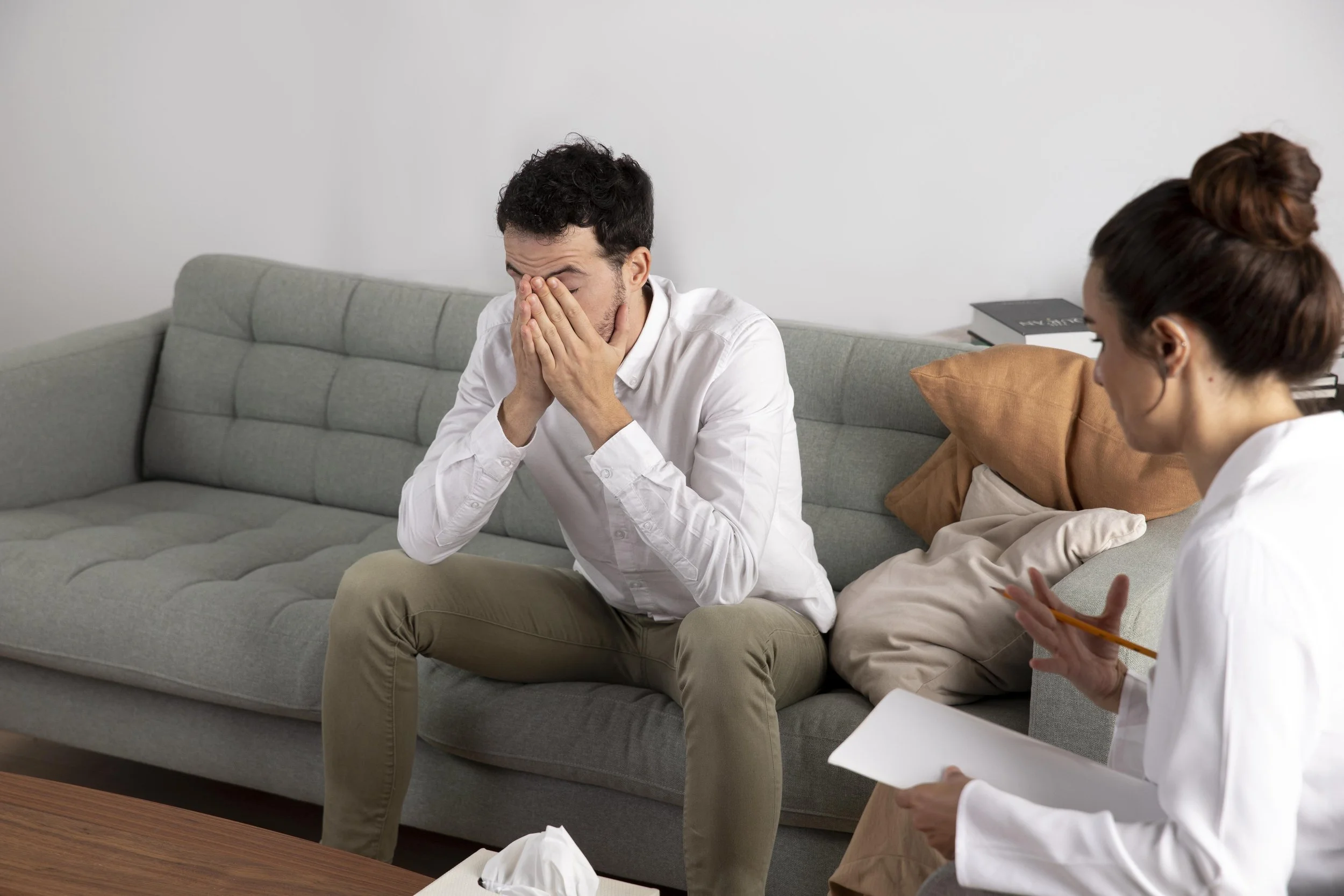
Therapy helps individuals recognize how past trauma may still influence emotions, behaviors, and relationships.
It is not too late to get help
This part matters a lot. PTSD and unresolved trauma are treatable. The VA notes clearly that it is never too late to get help for PTSD, and both the NHS and Mayo Clinic describe established treatment options that can reduce symptoms and improve functioning. (Mayo Clinic)
Support may include trauma focused therapy, EMDR, trauma focused CBT, grounding skills, nervous system regulation work, and help rebuilding safety in everyday life. The right kind of therapy is not about forcing you to relive everything at once. It is about helping your mind and body stop living as if the threat is still happening now. (nhs.uk)
If part of you has been quietly wondering whether the past is still affecting you, that question matters. Trauma can echo long after the event is over. If you are still feeling those echoes in your body, sleep, relationships, or sense of safety, that is reason enough to reach for support.