

A Pocket Map of Crisis Resources You Can Trust
When you are struggling with your mental health, it can feel like the ground under you is shifting. Anxiety spikes in the middle of the night. A wave of depression knocks the air out of you. In those moments, you may know you need help, yet have no idea where to turn or who to trust.
That is where a simple, clear crisis plan can make a difference. Think of it as a pocket map. You may not need it every day. But when you do, you do not want to be trying to draw it from memory while everything inside you feels chaotic.
You do not have to wait until you are at rock bottom to use crisis resources. Feeling unsafe, overwhelmed, or unsure if you can cope is reason enough to reach out. Your pain does not have to hit some mythical level before you deserve support.
In this guide, we will walk through different kinds of crisis resources, how they work, and how you can build your own personal pocket map of options you can trust.
If any part of this feels like your story and you want support as you read, you can book a quick consult when you’re ready. You are welcome to take this at your own pace.
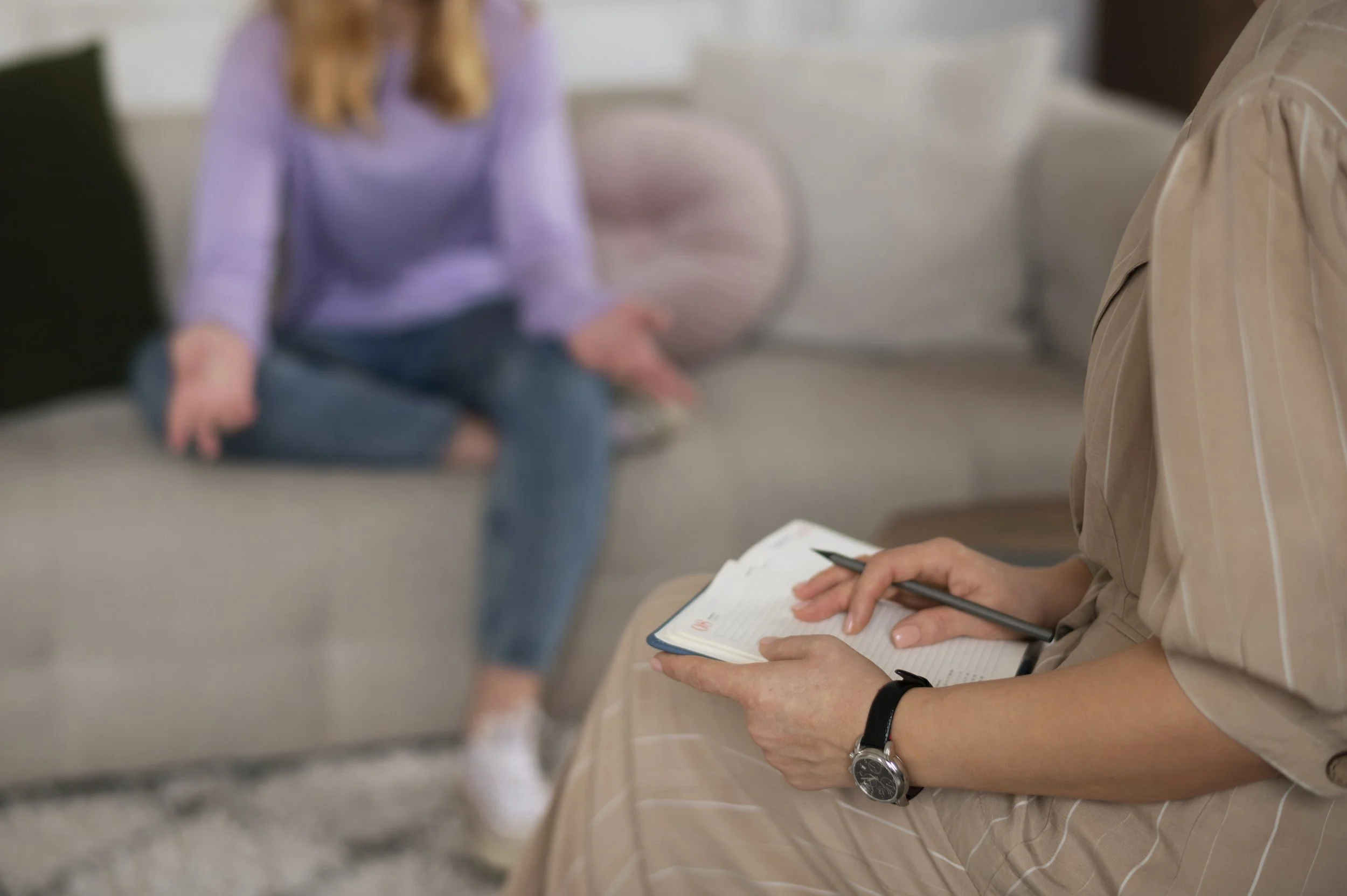
Therapy session highlighting the importance of seeking help for mental health
Different levels of crisis and why they all matter
Not every mental health crisis looks the same. Some are loud and obvious. Others are quiet and almost invisible from the outside.
You might notice:
Thoughts like “I cannot do this anymore” or “Everyone would be better off without me.”
Urges to hurt yourself, even if you do not have a specific plan.
Panic attacks or extreme anxiety that feels out of control.
Feeling completely numb or checked out from your life.
Some of these experiences are immediately life threatening. Others may not be, but they are still serious. You do not need to compare your pain to someone else’s crisis before you reach out. If your inner world feels unsafe or unmanageable, that is enough.
Crisis resources are built for this range. Some are designed for medical emergencies. Others are there for when you are afraid of where your thoughts are heading and you want support before things get worse.
National and local crisis lines
Crisis hotlines and text lines are often the first thing people think of, and for good reason. They are usually available 24/7, staffed by trained listeners, and free to use.
You can use a crisis line when:
You are having thoughts of self harm or suicide.
You feel on the edge of a panic attack and need to talk it through.
You are overwhelmed by grief, trauma, or stress and do not know what to do next.
Many people worry they will be judged or “too much” if they call. In reality, these services exist precisely because human beings sometimes hit limits in their ability to cope alone. You do not have to know exactly what to say. You can start with “I do not feel safe with my thoughts” or “I am not okay and I do not know where to start.”
If talking on the phone feels hard, many services offer text or chat options. For some, typing feels safer than speaking out loud, especially if you are not alone in your home.
When you build your pocket map, it helps to write down:
The name of at least one crisis hotline you trust.
The phone number, text number, or website for chat.
Any details that matter for you, such as language or hearing support.
Keep this information in your phone, wallet, or somewhere easy to find.
If you want a therapist to help you sort this out, you can start a conversation whenever you are ready. There is no commitment to continue after the call.

Professional therapy helping individuals manage stress, anxiety, and emotional challenges
Emergency services and when to use them
There are times when a mental health crisis is a true emergency. If you or someone else is in immediate danger, emergency services are the right option, even if it feels intense.
Examples include:
You have taken steps to harm yourself or plan to do so very soon.
Someone around you is threatening serious harm to themselves or others.
A person is so disoriented, out of touch with reality, or intoxicated that they cannot stay safe.
In those situations, calling emergency medical services or going to the nearest emergency room can be life saving. Your life and safety matter more than anything.
On your pocket map, make sure you know:
The number to call in an emergency in your area.
The address of the nearest hospital or urgent care with mental health support.
A trusted person you could call if you need help getting there.
You may never need to use this part of the map. If you do, having it written down can help you act faster when your brain feels scrambled.
Warm lines and peer support
Not every crisis is an emergency. Sometimes you just need someone to talk to who understands what it is like to live with anxiety, depression, or other mental health challenges. This is where warm lines and peer support can be helpful.
Warm lines are often run by people with lived experience of mental health struggles. They are there for support, validation, and connection, not for emergency response. Peer support groups, whether online or in person, can offer similar benefits.
These resources can help when:
You feel lonely or isolated and just need to talk.
You are having a hard day and want to be heard.
You are not in immediate danger but feel yourself sliding toward a darker place.
Including warm lines or peer groups in your pocket map gives you options besides white knuckling your way through tough nights or weekends.
If you would like to know more about how a counseling works, you can set up a first session at your own pace.

This scene highlights how counseling provides tools for coping and emotional resilience.
Online tools, apps, and grounding strategies
Human connection is often the most powerful. Even so, digital tools can help you get through intense moments, especially late at night or when you cannot talk out loud.
You might include in your pocket map:
One or two mental health apps you find helpful for grounding, breathing, or crisis planning.
A short list of grounding exercises that work for you, such as:
Naming five things you can see, four you can touch, three you can hear, two you can smell, and one you can taste.
Holding ice, running cold water over your hands, or focusing on the feeling of your feet on the floor.
These are not replacements for therapy or medical care, but they can bridge the gap when you are waiting to connect with a person or trying to ride out intense waves of emotion.
Friends, family, and trusted humans
Crisis resources are not only professional services. Sometimes your most important lifelines are the people in your life who know you and care about you.
On your pocket map, consider listing:
One or two people you can text “Can you talk?” without having to explain everything first.
A friend who can sit with you, even in silence, when you are overwhelmed.
A family member, partner, mentor, or faith leader you trust to respond with care, not shame.
You might talk with them ahead of time and say, “Sometimes my mental health gets really rough. Would it be okay if I reached out to you on those days?” That way, if you do contact them in a crisis, it will not feel like it came out of nowhere.
It is good to remember that no single person has to be available all the time. Your pocket map spreads the weight across several resources so that you are never relying on only one line of support.

A calm counseling setting that encourages reflection and mental wellness.
Putting your pocket map together
Once you have identified resources in each category, you can put them together in a simple, clear format. It might look like:
Crisis hotline:
Text or chat:
Emergency number:
Nearest hospital or urgent care:
Warm line or peer support:
Trusted people:
Apps and grounding tools I can use:
You can keep this in the notes app on your phone, on a card in your wallet, taped inside a journal, or anywhere easy to find. If you work with a therapist, you can bring your map to a session and refine it together.
If you want help planning a conversation or practicing the words, you can schedule quick conversation to prepare. Rehearsal reduces anxiety and helps you stay grounded.
The map itself will not prevent every crisis, and it does not erase pain. What it does is give you a way to navigate those moments without feeling completely lost. It reminds you that you are not alone, that there are people and tools ready to meet you where you are, and that reaching out is an act of strength, not failure.
You deserve support you can trust, especially on the days when everything feels heavy. Having a pocket map of crisis resources is one way of saying to yourself, in advance, “My life matters. My safety matters. When things get hard, I will not abandon myself. I will reach for help.”
If you are ready to start, we would be honored to walk with you. Book a first session or a consult.