

Social Media and Wellbeing: A Safer Scroll Strategy
Most people have a complicated relationship with social media.
On one hand, it can be comforting. You see friends’ updates, mental health tips, funny videos, and content that makes you feel less alone. On the other hand, twenty minutes of “just checking” can quietly turn into an hour of doomscrolling, comparison, and anxious overthinking.
You close the app and notice your stomach is tight, your mood is lower, or your brain feels crowded. Social media is still open in your mind long after you lock your phone.
Social media is not automatically bad for your mental health, but it is not neutral either. The way you use it, who you follow, and what you do before and after scrolling can all shape your emotional wellbeing.
You do not have to delete every app to protect your mental health. You can build a safer scroll strategy that makes social media work more for you and less against you.

Social media awareness supports healthier digital relationships and self care.
Why social media hits your mental health so hard
Social media is designed to keep your attention. Your nervous system is not designed for endless streams of other people’s lives, opinions, crises, and highlight reels.
A few things are happening under the surface:
Constant comparison, often without realizing it
Sudden swings between funny content and very heavy content
Exposure to news, trauma, or debate that your brain cannot fully process
The subtle pressure to perform or present a certain image
If you already live with anxiety, depression, trauma, or low self esteem, social media can amplify certain thoughts:
“I am behind compared to everyone else.”
“My life is small or boring.”
“Everyone else is coping better than I am.”
Understanding that social media is built to be sticky, not soothing, is the first step toward using it more wisely. You are not weak for getting hooked. You are human.
If you want a therapist to help you sort this out, you can start a conversation with us.

Social media awareness supports healthier digital relationships and self care
Step 1: Notice your emotional aftertaste
Instead of judging yourself for screen time, start by paying attention to the emotional “aftertaste” you feel when you finish scrolling.
Ask yourself:
How do I usually feel right after I close an app
Calm or tense
Inspired or deflated
Connected or more alone
You might notice patterns like:
Certain accounts always leave you feeling not good enough
Certain topics spike your anxiety or trigger old wounds
Certain creators genuinely help you feel seen, grounded, or informed
You do not need perfect awareness right away. Even noticing, “I always feel heavier after scrolling at night,” is valuable information. It means your mind and body are already telling you where some boundaries are needed.
Step 2: Decide your purpose before you open the app
Most of the time, we open social media automatically. Boredom, a pause in the day, a flash of discomfort, and our fingers already know where to tap.
A simple shift is to pause for just a moment and ask, “Why am I opening this right now”
Possible answers might be:
“I want to check messages from a friend.”
“I want a 10 minute mental break.”
“I am avoiding something that feels stressful.”
“I feel lonely and want to feel less alone.”
There is no wrong answer. The goal is clarity, not shame.
When your reason is intentional, you can match your behavior to your purpose. For example:
If you want connection, maybe you send one real message instead of just scrolling.
If you want a short break, you might set a timer and choose a lighter, safer corner of the app.
When social media is a reflex, it tends to control you. When you pause long enough to know your purpose, you regain some control.
If there are safety concerns, such as talk of self harm or suicide, professional and crisis support becomes even more essential. In those cases, taking action to keep them safe is not taking over their life, it is protecting their life. You can book a no pressure consult here. You are welcome to take this at your pace.

Digital wellbeing practices help individuals manage emotional responses to online content
Step 3: Curate your feed like it affects your mental health, because it does
You cannot control everything that appears online, but you can shape a lot of what appears in front of you.
Ask yourself:
Who helps me feel grounded, informed, or encouraged
Who regularly leaves me feeling small, angry, or ashamed
What kind of content pulls me into comparison spirals
Then make some small, practical choices:
Mute or unfollow accounts that consistently hurt your mental health
Follow more accounts that offer balanced mental health content, coping tools, humor that feels kind, or real life encouragement
Limit “aspirational” content that always makes you feel behind or not enough
Remember: you can respect someone and still mute them. You can love a friend and still decide that seeing every update is not good for your mood right now. Muting is not a moral judgment. It is a mental health decision.
Think of your feed as mental diet. A steady stream of criticism, comparison, and chaos will shape how you feel about yourself, even if you tell yourself you are just “watching.”
Step 4: Set time and place boundaries that protect your nervous system
You do not have to track every minute of screen time, but having a few gentle boundaries can protect your emotional energy.
You might experiment with:
No social media first thing in the morning
Give your brain a chance to wake up as you, not as a reaction to everyone else’s life.No social media right before sleep
Late night scrolling tends to fuel anxiety, rumination, and restless sleep. If possible, switch to something more calming as you wind down.Small contained windows
For example, 10 to 20 minute check ins a couple of times a day, instead of an open door all day long.App limits or grayscale mode
Using built in screen time tools or switching your phone to grayscale can make scrolling slightly less sticky.
Boundaries are not punishments. They are ways of saying, “My mind matters enough that I will limit how much I let it be flooded.”
If you would like a therapist to walk through these steps with you, you can meet our team and set up a first session. We will match you with the best therapist.

Online therapy sources aimed at improving emotional health and long-term wellbeing
Step 5: Use in the moment safety skills while you scroll
Sometimes stepping away is not realistic right away. You may be in a long waiting room, on a break at work, or already halfway into your scroll. In those moments, small grounding tools can reduce the impact on your mental health.
You might try:
Body check ins
Notice: Is my jaw clenched
Are my shoulders up near my ears
Is my breathing shallow
Take one deeper breath and soften one part of your body.Label what is happening
Quietly name: “I am comparing,” “I am doomscrolling,” or “I am starting to feel triggered.” Naming it can give you a bit more choice.Five post pause
Tell yourself, “After five more posts, I decide whether I want to close this.” When you get there, check in with your body and feelings. If you feel worse, gently close the app, even if part of your brain protests.
These micro skills are not about perfection. They are about interrupting autopilot and protecting your emotional health in real time.
Step 6: Handle comparison with honesty and compassion
Comparison is one of the biggest mental health traps on social media. You see someone’s highlight reel and measure it against your hardest day.
A few truths that help:
People rarely post the messy middle
Matching aesthetic does not equal matching happiness
You cannot see someone’s mental health from their photos
When you notice comparison, you can practice gently talking back to it:
“I am seeing one angle of their life, not the whole picture.”
“My worth is not measured by productivity, appearance, or likes.”
“I am allowed to be on my own timeline.”
It can also help to diversify what “success” looks like in your feed. Follow people who share openly about imperfect healing, real bodies, slower lives, and mental health in an honest way. That balance can soften the edge of comparison.
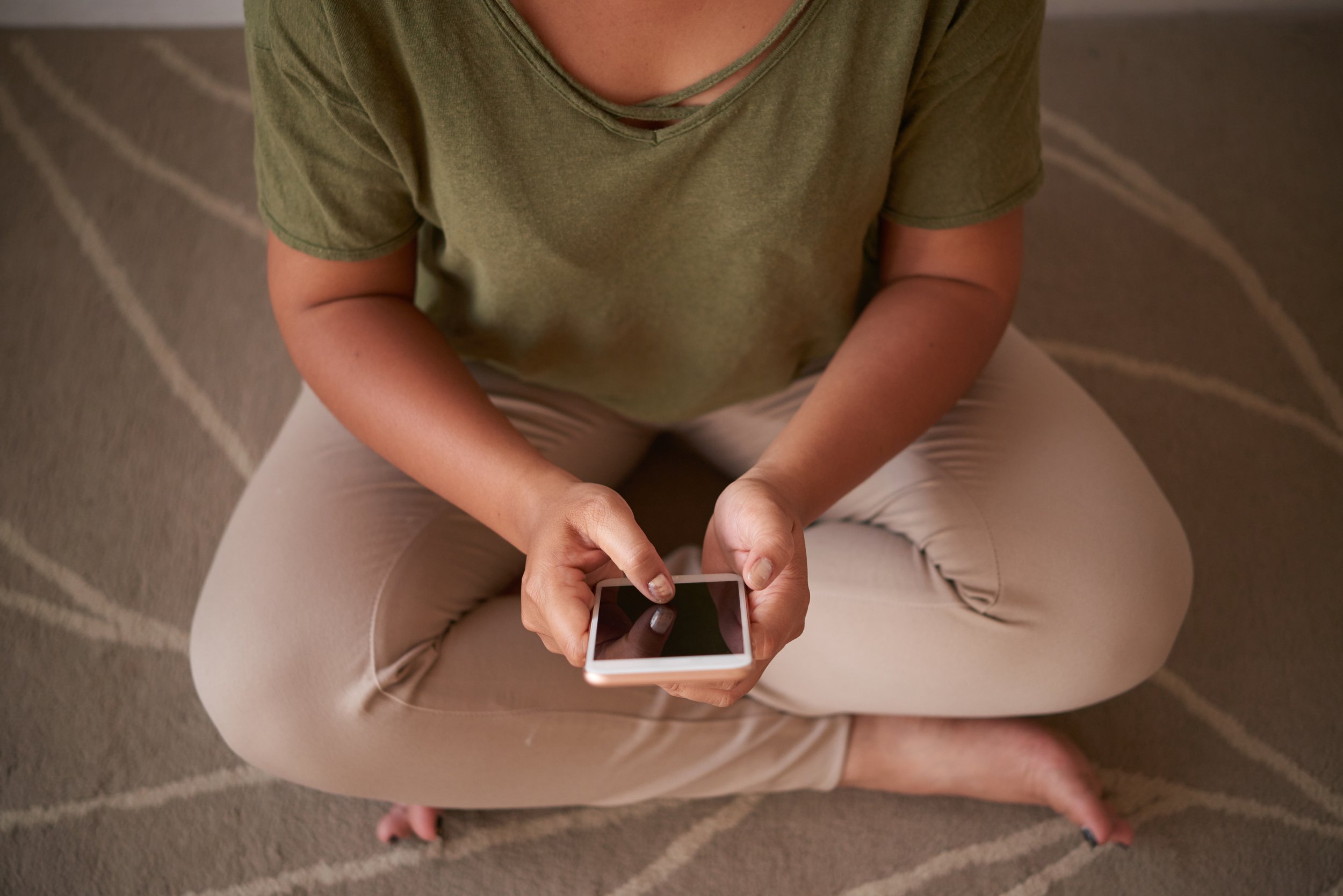
Emotional health can improve by creating safer and more intentional social media habits.
Step 7: Be careful with self diagnosis and heavy mental health content
Social media can offer incredible mental health education, but it can also overload you with labels and symptom checklists.
If you notice that:
Every video makes you think, “That is me too, I must have every condition.”
You feel more panicked about your mental health after consuming content.
You start to see everyone around you through diagnosis language.
It may be time to slow down and bring discernment in.
You might:
Save content that resonates and talk it over with a therapist, doctor, or trusted mental health professional instead of diagnosing yourself on the spot.
Limit how much heavy trauma, diagnosis, or crisis content you consume in one sitting.
Follow accounts that emphasize nuance, coping skills, and recovery, not just symptoms.
Online content can be a helpful door into understanding your mental health, but it is not a full assessment. Your story is more complex than any 30 second video.
If you want help with planning to take the first step, you can schedule a session to prepare.
Step 8: Know when it is time for a break
Sometimes the kindest thing you can do for your mind is to step away for a while.
Signs a break might be helpful:
You open an app without even realizing you tapped it.
Your mood is consistently lower after scrolling.
You feel restless if you are away from your phone for a short time.
You are using social media to avoid all quiet moments with yourself.
A break does not have to mean deleting everything forever. It might mean:
One social media free evening per week
A weekend off to reset your nervous system
Removing one app from your phone and checking it only on a computer
If the thought of any break makes you anxious, that is a sign worth taking seriously. You deserve to know what your mind feels like without constant noise.
Step 9: Let therapy and real life support balance your online world
Social media can show you that other people struggle with anxiety, depression, and trauma too. That can be comforting. It cannot replace real connection or professional support.
If you notice that online content brings up big feelings you do not know what to do with, that can actually be a useful signal that it is time to:
Talk with a therapist or counselor about what is coming up
Share some of your worries with a trusted friend or partner
Bring questions from social media into real conversations that are tailored to you
Think of social media as a tool, not a therapist. It can point you toward topics to explore. It can give you words. It can offer solidarity. The deeper processing, healing, and planning are often more effective when they happen in safe, real relationships and spaces designed for your wellbeing.
If you are ready to take the first step or continue what you have already started, we would be honored to walk with you. Book a first session or a consult here. Bring your story exactly as it is and we will be where you are at.

This image represents the connection between social media use and emotional wellness
You are allowed to shape how social media touches your life
You do not have to live at the mercy of every notification. You are allowed to design how social media fits into your mental health, not the other way around.
A safer scroll strategy is not about becoming perfect or never getting hooked again. It is about:
Paying attention to how your body and mind feel during and after scrolling
Choosing who and what gets to have space in your feed
Setting gentle boundaries around time, place, and content
Remembering that your value is not measured in likes, views, or followers
You are allowed to protect your attention and your emotional energy. You are allowed to unfollow what hurts and lean into what helps. You are allowed to close the app when your nervous system has had enough.
Your wellbeing matters more than staying endlessly caught up.
If you would like a therapist to walk through these steps with you, you can meet our team and set up a first session. We will match you with the best therapist.