

Why People Use Substances to Cope and What Therapy Can Do Instead
People usually do not start using alcohol or other substances because they want their life to get harder.
More often, they use because something feels unbearable, overwhelming, lonely, numb, or too loud inside. Substances can seem to offer quick relief from stress, trauma, anxiety, depression, shame, insomnia, or emotional pain. SAMHSA notes that people may turn to drugs or alcohol while struggling with mental health or emotional distress, and NIAAA and NIDA both describe substance use disorders as conditions that can develop when use becomes hard to control and starts causing harm. (SAMHSA)
That does not mean substance use is “just bad choices,” and it does not mean the substance is really solving the problem. It often means a person found something that worked fast, at least for a while, and kept reaching for it because they did not have enough support, safer coping tools, or relief from what was underneath. NIDA notes that addiction involves compulsive use despite harmful consequences, and SAMHSA describes mental health and substance use problems as often overlapping in ways that make coping harder. (National Institute on Drug Abuse)
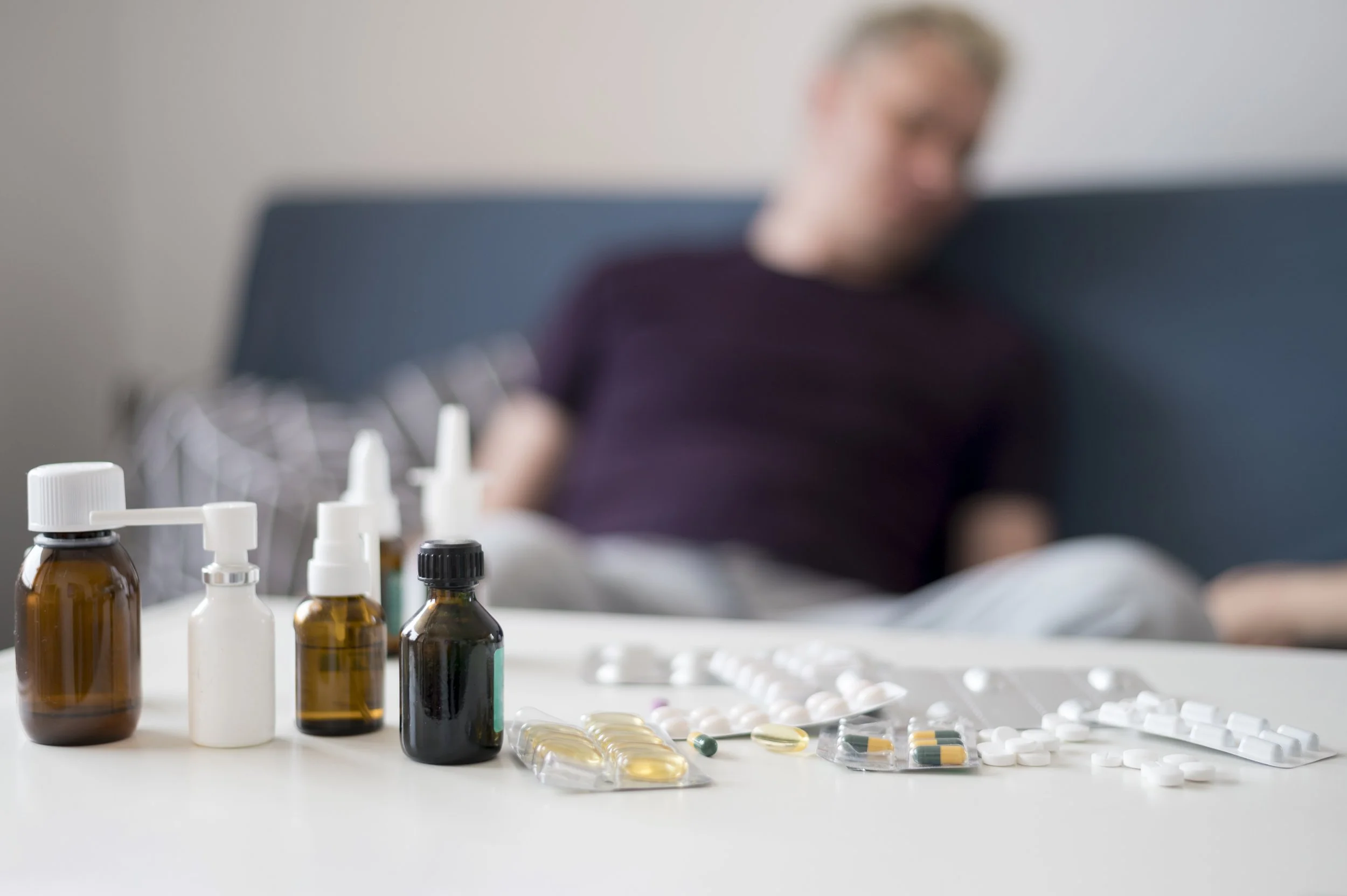
This image represents how substance use can develop as a coping strategy for emotional stress and mental health challenges.
Substances often start as a form of relief
For many people, substances serve a purpose before they become a problem.
They may help someone:
quiet racing thoughts
numb grief or trauma
feel less socially anxious
sleep
feel more energized
turn down shame or loneliness
escape pressure for a while
That is one reason substance use can feel complicated. If it did nothing, people would not keep reaching for it. SAMHSA’s coping guidance acknowledges that people dealing with mental health, drug, or alcohol problems often need support because daily life has gotten harder to manage, and NIDA’s trauma and stress research highlights that trauma and substance use often overlap. (SAMHSA)
If you have ever thought, “I know this is not helping long term, but it is the only thing that helps right now,” that is a deeply human place to land. It is also often the moment when therapy can begin to matter.
Self-medication can make a lot of sense, even when it causes more pain later
A lot of people use substances to self-medicate.
That can look like:
drinking to shut off anxiety at night
using substances to get through trauma triggers
smoking or using to feel calmer in social situations
drinking to feel less depressed, bored, or emotionally flat
using something stimulating to push through exhaustion or low mood
NIAAA notes that alcohol use disorder frequently co-occurs with mental health conditions, and SAMHSA describes co-occurring disorders as common when mental health problems and substance use affect one another. NIDA also notes that addiction often goes hand in hand with other mental illnesses and that both need to be addressed. (NIAAA)
This matters because if someone is using substances to manage anxiety, trauma, or depression, simply taking away the substance without helping the underlying pain often leaves them with the same suffering and fewer ways to cope. Therapy can help fill that gap.

People may turn to substances when dealing with difficult emotions, highlighting the need for healthier coping tools.
The problem is not only the substance. It is often the pain underneath it
Substance use often becomes the visible part of a deeper struggle.
Underneath it, there may be:
chronic stress
trauma
panic
depression
grief
loneliness
burnout
feeling emotionally unsafe
shame that no one sees
NIDA’s trauma and stress materials note that many people diagnosed with PTSD also have a substance use disorder, and NIAAA notes that alcohol use disorder frequently occurs alongside mental health conditions such as anxiety and depression. (National Institute on Drug Abuse)
That does not mean every person who drinks or uses substances has unresolved trauma or depression. It does mean that when substance use becomes a coping system, therapy often helps most when it addresses both the behavior and the reasons the behavior became necessary in the first place.
If this is sounding familiar, that may be a sign that support needs to go beyond “just stop” and start including “what has this been helping you survive?”
Substances can shrink life without you noticing at first
At first, alcohol or drug use may feel like it is helping you function. Over time, it can quietly make life smaller.
You may notice:
needing it more often
planning around when you can drink or use
feeling less able to cope without it
losing trust in your own ability to handle emotion sober
pulling away from people who might notice
struggling more at work, school, or home
NIDA defines addiction as compulsive drug seeking and use despite harmful consequences, and NIAAA defines alcohol use disorder as an impaired ability to stop or control alcohol use despite adverse social, occupational, or health consequences. (National Institute on Drug Abuse)
That shift can happen gradually enough that it is easy to explain it away. Therapy can help you notice the pattern earlier, with less shame and more honesty, before the whole system gets even more stuck.

Therapy provides a supportive space to understand substance use patterns and develop alternative coping strategies.
Therapy helps you figure out what the substance is doing for you
One of the most helpful things therapy can do is help answer this question:
What is the substance doing for me that I do not yet know how to do another way?
That may be:
calming your body
helping you sleep
helping you escape intrusive thoughts
giving you confidence in social settings
numbing grief
helping you feel less alone
shutting off self-criticism for a while
Therapy does not excuse harmful patterns, but it does take them seriously enough to understand them. NIAAA notes that behavioral health treatments for alcohol problems can create lasting positive change, and NIDA notes that psychotherapies are effective components of treatment for substance use disorders. (NIAAA)
If you know what role the substance is playing, you can start building other ways to meet that need.
Therapy can help with the mental health issues underneath the use
If substances are tied to anxiety, depression, trauma, or another mental health issue, therapy can work on those directly.
That might include helping you:
understand panic and physical anxiety symptoms
process trauma in a safe, paced way
build support for depression and emotional numbness
reduce shame and hopeless thinking
learn how to tolerate hard feelings without needing to escape them immediately
SAMHSA and NIAAA both highlight how often mental health conditions and substance use disorders occur together, and NIDA states that treating mental illnesses alongside addiction is crucial. (SAMHSA)
This is a big reason therapy can help in a way that simple advice often cannot. It is not only about taking something away. It is about treating what has been hurting for a long time.
If part of you has known for a while that the substance is tied to something deeper, therapy may be exactly the place to start untangling that.

Counseling can help individuals build healthier coping mechanisms to replace substance use.
Therapy can help you build safer coping instead of just white-knuckling
A lot of people assume quitting or cutting back means they just need more discipline.
But if substances have become your main coping tool, discipline alone often does not last. What usually helps more is building replacement tools that actually work in your real life.
Therapy can help you develop things like:
ways to calm your body when stress spikes
ways to get through urges without acting on them
ways to name emotions instead of numbing them
ways to ask for support before things spiral
ways to handle loneliness, boredom, or shame without automatically using
SAMHSA’s coping guidance emphasizes small steps, support, and safer coping while people are struggling with mental health, drug, or alcohol issues or waiting to start treatment. (SAMHSA)
That does not mean therapy gives you a perfect replacement overnight. It means it helps you stop relying on one harmful strategy as your only lifeline.
Therapy can reduce shame, which often keeps the cycle going
Shame is one of the biggest reasons people stay stuck.
You may think:
“I should be stronger than this.”
“No one would understand.”
“If people knew how much I rely on this, they’d see me differently.”
“I’ve already gone too far to ask for help now.”
But shame usually feeds secrecy, and secrecy often feeds more use.
Therapy can help by giving you a space where the pattern is understood, not sensationalized. NIAAA notes that many people are surprised to learn there are effective, evidence-based options for alcohol treatment, including medications and behavioral treatments, and that recovery is possible. (NIAAA)
If shame has been one of the main things keeping you from being honest, therapy can be the first place where you stop having to carry that alone.

This image highlights the shift from using substances to exploring healthier ways to manage stress and anxiety.
Therapy is often one part of a bigger support plan
Therapy can be very helpful, but it is not always the only support someone needs.
Depending on the substance, the severity, and whether there are withdrawal or safety issues, help may also include:
a doctor or medical evaluation
medication
outpatient or inpatient treatment
mutual-support groups
structured recovery support
NIAAA notes that treatment for alcohol problems can include behavioral treatments, medications, and mutual-support groups, and NIDA states that there are safe, effective medications and psychotherapies for treating substance use disorders. (NIAAA)
That means therapy does not have to carry everything by itself. It can be one strong part of a broader plan that actually fits what you need.
If you are not sure what level of support makes sense, one honest conversation with a therapist, doctor, or treatment provider can help you figure that out.

Therapy can support long-term recovery by addressing underlying emotions and providing practical tools for change.
You do not have to wait until things get worse
One of the most damaging myths around substance use is the idea that you need to hit a dramatic bottom before help counts.
You do not.
If you are starting to wonder whether alcohol or substance use is becoming too important, too frequent, too secret, or too tied to your emotional survival, that already matters. NIAAA emphasizes that most people with alcohol use disorder can and do recover, and that recovery paths vary widely. (NIAAA)
Therapy can help you understand why you use, what you are trying to escape or manage, and what healthier support could look like instead. That is not weakness. It is often the first real move toward relief that lasts longer than a few hours.
If this article feels personal, that may be a useful signal. You do not need to keep proving you can struggle alone.