

Physical Symptoms of Anxiety You Shouldn’t Ignore
Physical Symptoms of Anxiety You Shouldn’t Ignore
A lot of people think anxiety is mostly mental.
They picture racing thoughts, overthinking, dread, and constant worry. Those are real parts of anxiety, but they are not the whole picture. Anxiety often shows up in the body just as much as it shows up in the mind. The NHS notes that anxiety can affect you physically, mentally, and behaviorally, and NIMH describes anxiety disorders as involving repeated episodes of intense fear and physical symptoms as well as emotional ones. (nhs.uk)
That matters because physical anxiety symptoms are easy to dismiss, misread, or explain away. Some people assume they are just tired. Others worry something is seriously wrong with their health. Sometimes it can be hard to tell the difference. Anxiety itself can cause real physical symptoms, including headaches, a racing heartbeat, dizziness, chest pain, sweating, shaking, and breathlessness. (nhs.uk)
If you have been dealing with physical symptoms that seem connected to stress, worry, or panic, it is worth paying attention. Not because you should panic about them, but because your body may be telling you something important.
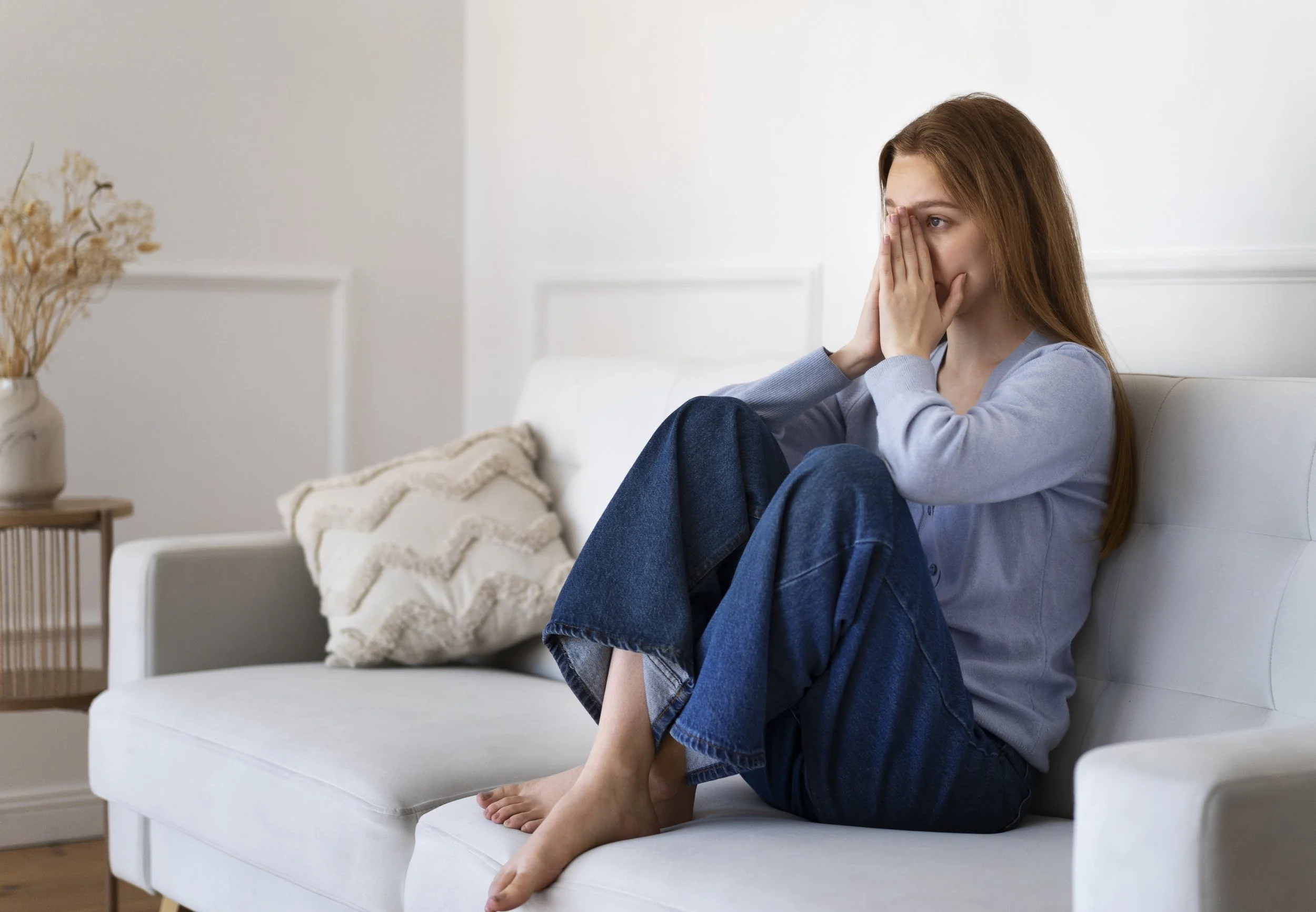
Dizziness and lightheadedness can be signs of anxiety impacting physical wellbeing.
Your heartbeat feels stronger, faster, or harder to ignore
One of the most common physical symptoms of anxiety is a noticeable heartbeat.
That can feel like:
your heart is racing
your chest feels fluttery
your heartbeat suddenly feels louder or stronger
your body feels like it is gearing up for danger
The NHS lists a faster, irregular, or more noticeable heartbeat as a common physical symptom of anxiety, and NIMH notes that panic and anxiety can include rapid heart rate and palpitations. (nhs.uk)
This can be one of the most frightening symptoms because it can make people think something is seriously wrong in the moment. Anxiety can absolutely create that sensation. At the same time, chest pain, heart rhythm concerns, or new symptoms should not be brushed off automatically. It is important to get medical advice if something feels new, severe, or unclear. NHS guidance on anxiety also encourages seeking help when symptoms are affecting you or difficult to manage. (nhs.uk)
If this is happening often, therapy for anxiety can help you understand what is triggering the response and how to calm your system before the fear spiral gets bigger.
Dizziness, lightheadedness, or feeling faint keeps happening
Anxiety can also show up as dizziness or lightheadedness.
The NHS lists feeling lightheaded and dizzy as a common physical symptom of anxiety, and panic attacks can also include dizziness, faintness, or feeling like you might pass out. (nhs.uk)
This symptom can be especially unsettling because it can make ordinary situations feel unsafe. You may feel nervous about driving, standing in line, being in crowds, or being far from home. Over time, the fear of the sensation can become almost as disruptive as the sensation itself.
If dizziness keeps happening around anxious moments, overthinking, conflict, crowded spaces, or panic, it may be worth exploring anxiety support rather than only assuming you need to “push through.” If it is sudden, severe, or medically concerning, it is also worth checking with a doctor. Both things can be true. Your symptoms deserve attention.

This image represents how anxiety can show up physically, including chest tightness and discomfort.
Chest tightness, chest pain, or shortness of breath
These are some of the anxiety symptoms people ignore the longest or fear the most.
The NHS lists chest pains and breathlessness among the physical symptoms of anxiety, and Mayo Clinic lists increased heart rate and rapid breathing as common anxiety symptoms. Panic attacks can also include chest pain, throat tightness, and shortness of breath. (nhs.uk)
This can feel terrifying because chest symptoms are hard to shrug off. Some people start avoiding exercise, social events, driving, or being alone because they are afraid the feeling will come back. Others tell themselves it is “just stress” and never look more closely at the anxiety underneath.
If anxiety is showing up in your breathing or chest, that is not something to mock or minimize. It is one of the clearest signs that your nervous system may be stuck in a high alert state. Therapy can help with this, especially when it includes body based calming skills, panic education, and tools for interrupting fear before it escalates.
Headaches, body tension, and muscle pain
Not all anxiety symptoms look dramatic. Some are so common that people stop noticing how often they happen.
NHS and NIMH related materials note that anxiety and stress can include headaches, body pain, and tension. Mayo Clinic also lists muscle tension and muscle aches among physical signs of generalized anxiety. (nhs.uk)
You may notice:
tight shoulders
a clenched jaw
frequent headaches
neck pain
feeling physically braced even when nothing is happening
This matters because long term tension can quietly wear you down. Your body may stay in a half guarded state all day, which affects rest, concentration, patience, and energy. If this has become normal for you, it may be hard to see how much anxiety is living in your body.
If the idea of relaxing feels almost unnatural, that may be a sign anxiety has become more physical than you realized.
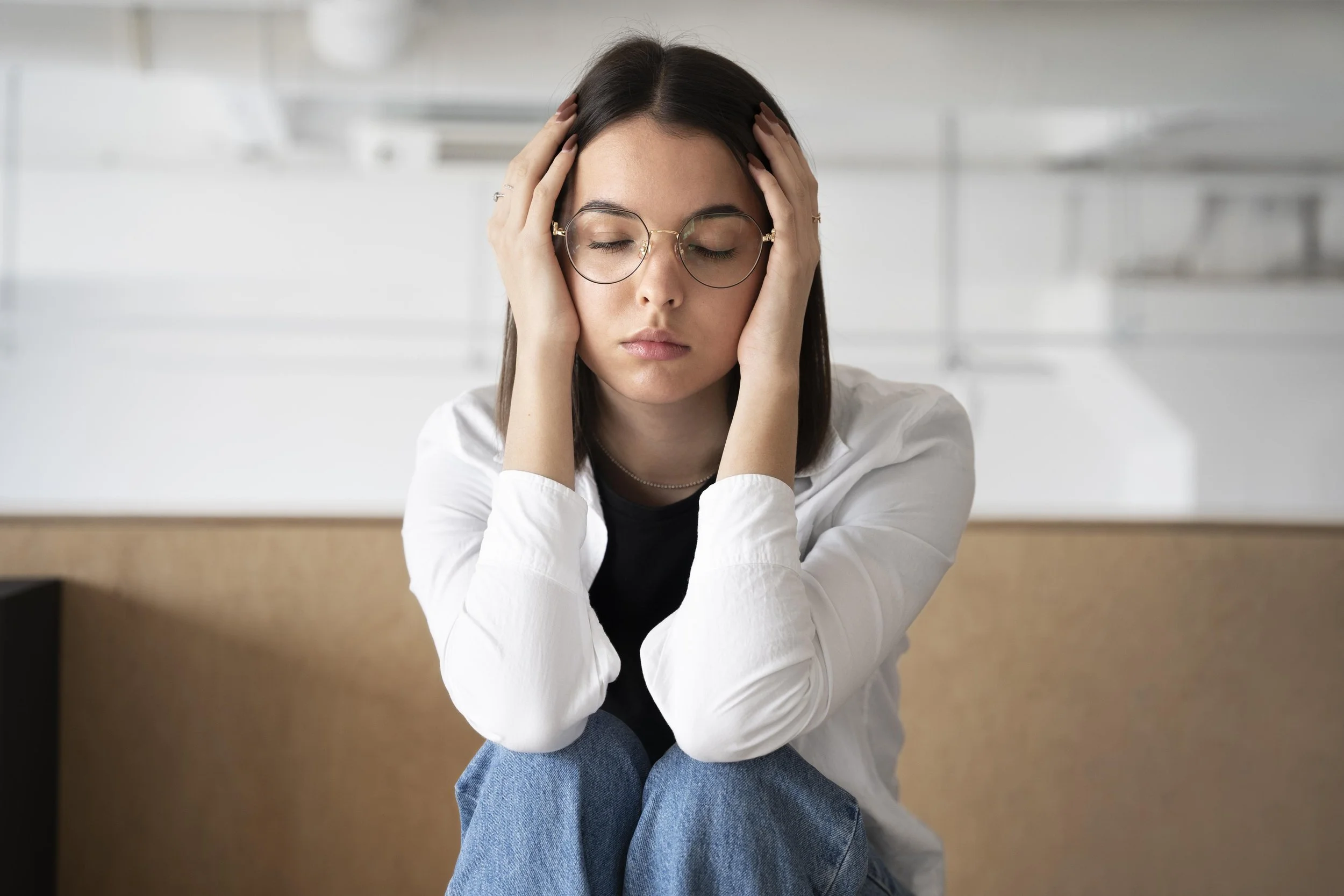
Frequent headaches and low energy can be physical symptoms of ongoing anxiety.
Stomach issues, nausea, or digestive problems
Anxiety often shows up in the stomach.
The NHS lists loss of appetite among physical anxiety symptoms, and Mayo Clinic notes that anxiety can involve an upset stomach and other digestive problems. NIMH materials on stress and NHS guidance on generalized anxiety also point to stomach problems as part of how anxiety can show up in the body. (nhs.uk)
That can look like:
nausea
stomach discomfort
appetite changes
digestive issues before stressful events
feeling sick when you are worried or overwhelmed
This is one reason anxiety can be confusing. It can mimic a lot of physical discomfort, and then those symptoms can make you even more anxious, especially if you have health anxiety. NHS specifically notes that anxiety itself can cause symptoms like headaches or a racing heartbeat, which people may mistake for signs of illness. (nhs.uk)
If your stomach seems to react strongly to worry, pressure, or uncertainty, that is a valid part of anxiety and worth bringing into therapy or a medical appointment.
Sweating, shaking, hot flashes, or feeling physically “amped up”
Anxiety often creates activation in the body that is hard to ignore.
The NHS lists sweating, feeling hot, and shaking as physical anxiety symptoms. Mayo Clinic also lists sweating and trembling, and panic attacks can include chills, hot flashes, trembling, and numbness or tingling. (nhs.uk)
These symptoms can make you feel embarrassed, especially in public or social situations. Some people start worrying not only about feeling anxious, but about other people seeing the anxiety.
That can become its own cycle:
you feel a physical symptom
you worry people will notice
the worry makes the symptom stronger
the stronger symptom makes the fear worse
If that is happening, therapy can help you work on both the physical symptom and the fear attached to it. Social anxiety, panic, and generalized anxiety can all show up in this way.
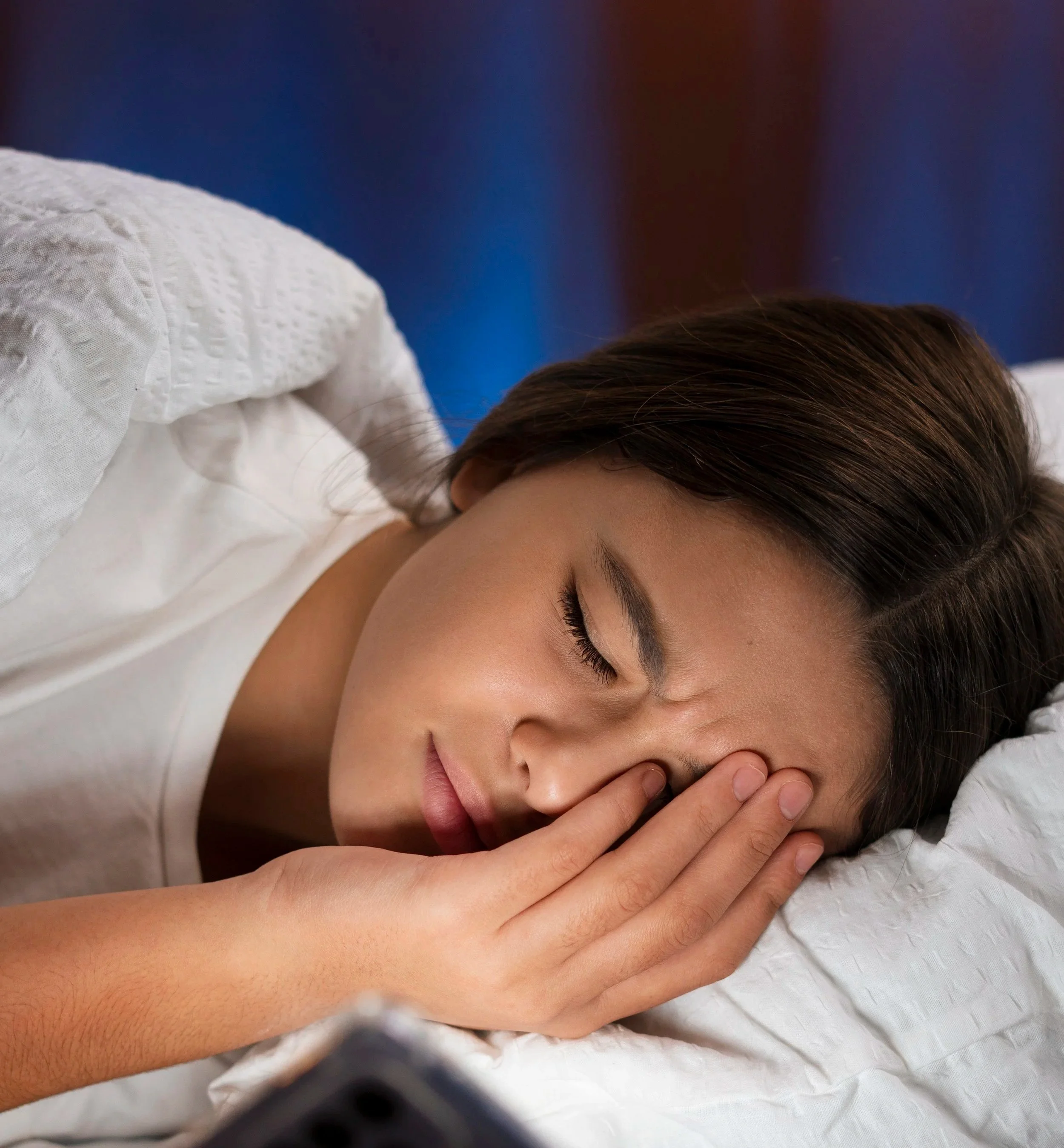
Difficulty sleeping is a common physical symptom of anxiety and the body’s stress response.
Sleep problems and exhaustion that never quite lift
People often do not connect poor sleep with anxiety at first, especially if they are used to being “just tired.”
NIMH and NHS materials both note sleep difficulty as part of anxiety disorders, and Mayo Clinic lists trouble sleeping and feeling weak or tired among common symptoms. (nhs.uk)
You may notice:
trouble falling asleep because your mind will not stop
waking in the night feeling tense
morning dread
exhaustion from being mentally on edge all the time
feeling tired and wired at the same time
This matters because anxiety and lack of sleep tend to feed each other. The worse your sleep gets, the harder it is to regulate stress. The more anxious you feel, the harder sleep becomes.
If anxiety is costing you rest, therapy can help you work on more than just “sleep hygiene.” It can help with the pressure, worry, body activation, and mental overdrive underneath the sleep problem.
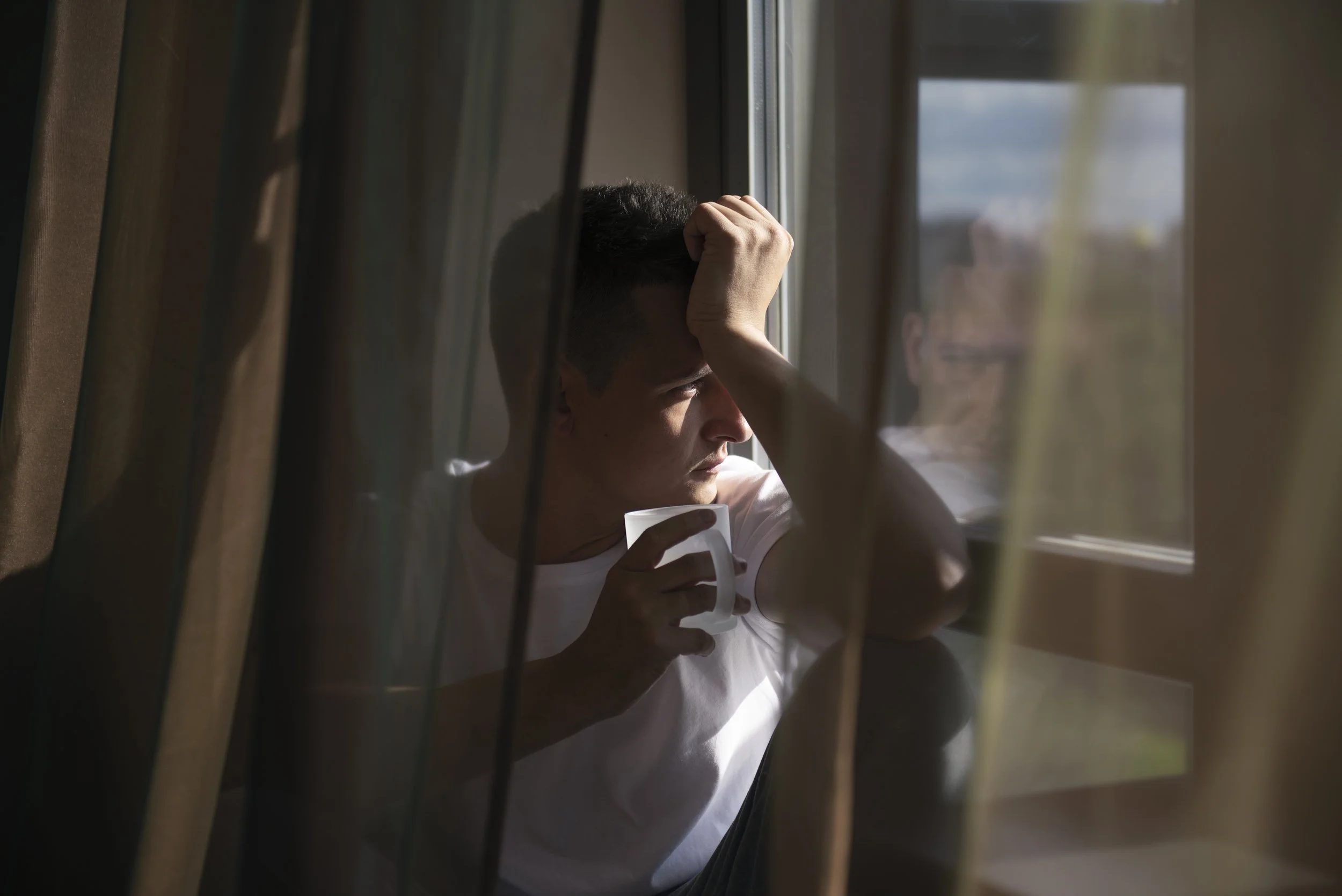
Physical symptoms and low energy can be related to ongoing anxiety.
When these symptoms may be more than just “stress”
Stress and anxiety overlap a lot. NIMH describes anxiety as persistent apprehension or dread that does not go away and interferes with life, while NHS guidance on anxiety says to seek help if anxiety is affecting your daily life or causing distress. (National Institute of Mental Health)
It may be time to look more closely if:
the physical symptoms keep repeating
they get worse under pressure or uncertainty
your life is shrinking around them
you are avoiding situations because of them
you spend a lot of time worrying about your body
the symptoms are making work, school, or relationships harder
It may also be time to get professional help if symptoms have lasted two weeks or more and are distressing or affecting normal tasks. NIMH uses a two week marker for seeking help with concerning mental health symptoms in general. (National Institute of Mental Health)
If this article feels too accurate, that does not mean you should diagnose yourself from one blog post. It does mean your symptoms are worth taking seriously.
Therapy can help with the physical side of anxiety too
A lot of people assume therapy only helps with anxious thoughts. It can also help with how anxiety shows up in the body.
Depending on the therapist and the type of anxiety, support may include:
understanding your triggers
learning grounding and breathing tools
reducing panic about the symptoms themselves
breaking cycles of avoidance
noticing early body cues before anxiety escalates
building a calmer relationship with your nervous system
NIMH notes that psychotherapy can help people learn different ways of thinking, behaving, and reacting to situations that trigger anxiety and fear. (National Institute of Mental Health)
If you are dealing with physical anxiety symptoms often, therapy can help you feel less controlled by them and less afraid of your own body.

Therapy can help individuals understand and manage both the emotional and physical symptoms of anxiety.
Do not ignore the pattern
Physical symptoms of anxiety are real. They are not “all in your head,” even when anxiety is part of the cause. They can feel intense, disruptive, and frightening. And they deserve attention.
At the same time, new, severe, or medically concerning symptoms should not be written off automatically. It is okay to take care of your health from both angles, getting medical input when needed and getting mental health support if anxiety is clearly part of the pattern.
If your body keeps telling you something is off, listen to it. Sometimes what it is saying is not only “something is wrong.” Sometimes it is saying, “I have been carrying too much for too long.”
That is not something to ignore.