

PTSD Symptoms That May Mean It’s Time to Seek Help
After something traumatic, it is normal to feel shaken.
Many people have trouble sleeping, feel on edge, replay what happened, or find themselves crying, numbing out, or getting angry more easily than usual. In many cases, those reactions ease over time. But when trauma symptoms keep going, get more intense, or start affecting daily life, it may be a sign that you need more support. (National Institute of Mental Health)
If you have been wondering whether what you are experiencing is “serious enough,” this article can help you notice some common PTSD symptoms that are worth taking seriously.
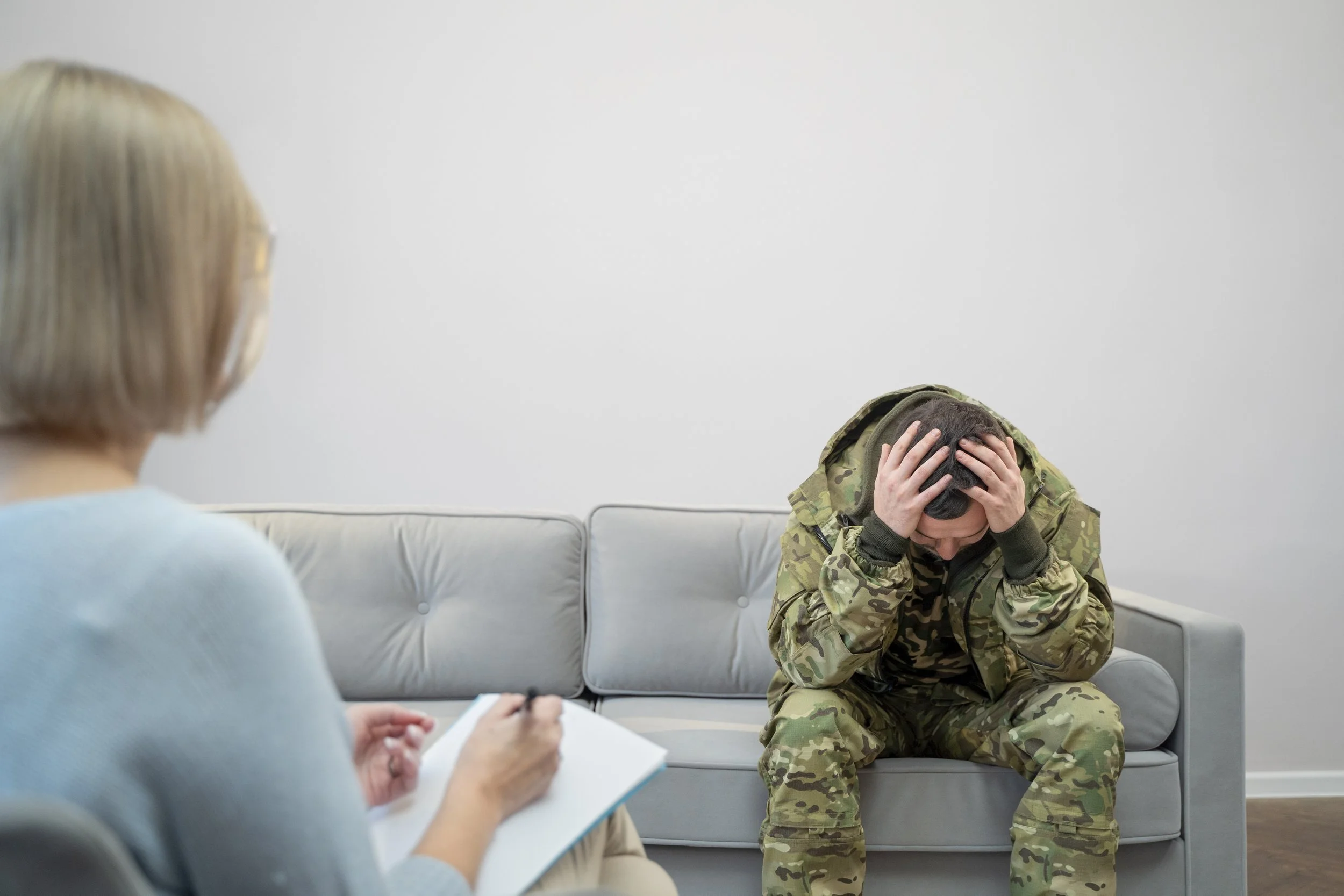
This image represents common PTSD symptoms such as heightened stress, alertness, and emotional overwhelm.
Trauma symptoms can stay active long after the event
A lot of people think PTSD only happens right after trauma, or only after a certain kind of event. But trauma responses can last much longer than people expect, and PTSD can develop after experiencing or witnessing events such as violence, serious accidents, disasters, assault, or other deeply frightening situations. (National Institute of Mental Health)
One important thing to know is that having a strong reaction at first does not automatically mean PTSD. The NHS notes that upsetting and confusing thoughts after trauma can be normal at first, and many people improve over a few weeks. It is when symptoms continue beyond about 4 weeks, or feel especially disruptive, that it becomes more important to seek professional help. (nhs.uk)
If you have been telling yourself, “It has been long enough, I should be over this,” but your body and mind still do not feel safe, that is worth paying attention to.
Flashbacks, nightmares, or intrusive memories keep pulling you back
One of the most recognized PTSD symptoms is re-experiencing the trauma.
This can look like:
Flashbacks
Nightmares
Unwanted memories
Feeling like the event is happening again
Strong emotional or physical reactions when something reminds you of it
NIMH lists re-experiencing symptoms as a core part of PTSD. These can feel frightening because they do not stay neatly in the past. A sound, smell, place, tone of voice, or ordinary situation can suddenly make your body react as if the danger is happening now. (National Institute of Mental Health)
If this is happening often, or if it feels like your nervous system gets hijacked by reminders, that is a meaningful sign to consider support. You should not have to keep white-knuckling your way through intrusive trauma responses alone.
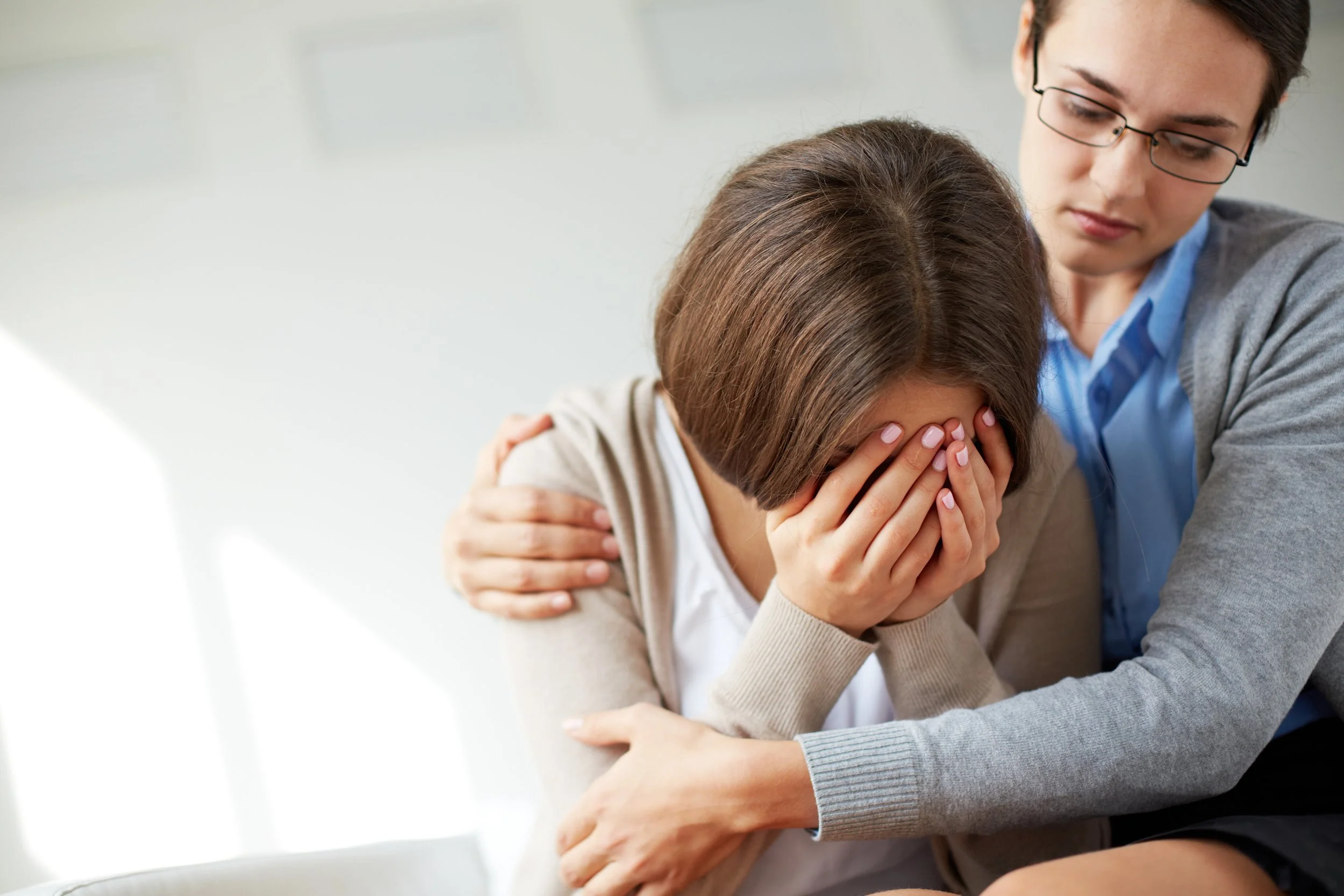
Intrusive thoughts and memories are common PTSD symptoms that may indicate the need for professional support.
You are avoiding more and more
Avoidance is another major PTSD symptom.
It may look like avoiding:
People
Places
Driving routes
Conversations
News
Certain smells, songs, or environments
Anything that might remind you of what happened
NIMH and the NHS both list avoidance as a common PTSD symptom cluster. Avoidance can make sense in the short term because it reduces distress for a moment. But over time, it can shrink your life. (National Institute of Mental Health)
You may notice that you are changing routines, staying home more, pulling away socially, or structuring your life around not getting triggered. If the goal of each day is mostly to avoid reminders, that can be a strong sign that trauma is still very active.
If this sounds familiar, it may be a good time to explore trauma therapy or PTSD support before avoidance narrows life even more.
You feel on edge all the time
PTSD does not only live in memories. It often lives in the body.
You may feel:
Easily startled
Hyperaware of your surroundings
Tense all the time
Irritable or angry
Unable to fully relax
Like something bad is about to happen, even when things are quiet
NIMH identifies arousal and reactivity symptoms as part of PTSD, including being easily startled, feeling tense, trouble sleeping, and angry outbursts. The NHS also describes hyperarousal as feeling “on edge.” (National Institute of Mental Health)
This can be one of the most exhausting parts of PTSD. Your body may act like it is still living near danger, even when your logical mind knows the event is over.
If your nervous system rarely feels off duty, that is not something to dismiss as “just stress.” It may be a trauma response that deserves care.

Ongoing tension and hypervigilance can be signs of unresolved trauma affecting daily life.
Sleep is getting harder, not better
Sleep problems are common after trauma, but persistent sleep disruption can be an important signal that you may need help.
This might look like:
Trouble falling asleep
Waking often
Nightmares
Sleeping lightly
Feeling afraid to sleep
Waking up already tense
NIMH notes that people with PTSD often experience sleep problems and nightmares. PTSD can affect both emotional regulation and the body’s sense of safety, which makes rest much harder to access. (National Institute of Mental Health)
If your sleep has stayed disrupted for weeks, especially if it is tied to trauma reminders, fear, or nightmares, that can be an important reason to reach out. Poor sleep tends to make everything else harder too, including mood, concentration, patience, and daily functioning.
You feel numb, detached, or unlike yourself
Not everyone with PTSD looks visibly distressed. Some people feel less emotion, not more.
You might notice:
Emotional numbness
Feeling detached from people
Feeling disconnected from your own body
Struggling to feel joy, closeness, or safety
Going through the motions without really feeling present
NIMH includes cognition and mood changes as part of PTSD, and one NIMH research update notes that persistent feelings of detachment after trauma may signal worse mental health outcomes. The NHS also describes emotional numbing as part of PTSD symptoms. (National Institute of Mental Health)
This can be especially confusing because people may assume you are doing better if you are not crying or visibly upset. But numbness is not the same as healing. If you feel emotionally far away from your life, that matters.
If that is where you are, support can help you understand whether your system is protecting you through shutdown and what healing might look like from there.
Your mood and thinking have changed in lasting ways
PTSD can also affect how you think about yourself, other people, and the world.
You may notice:
More shame or guilt
Feeling unsafe around people
Believing the world is dangerous all the time
Hopelessness
Trouble concentrating
Constant self blame
Feeling like you should have done something differently
NIMH includes negative changes in cognition and mood as a core part of PTSD, and NHS guidance on complex PTSD notes that longer-term trauma symptoms can include shame, guilt, emotional difficulty, and relationship struggles. (National Institute of Mental Health)
If your inner world feels darker, harsher, or more hopeless since the trauma, that is important. Trauma can change the lens through which you see yourself and the world. That is not a moral failure. It is a sign that support may be needed.

Tension and hypervigilance can be signs of unresolved trauma affecting daily life.
Work, home, or relationships are taking a hit
One of the clearest signs it may be time to seek help is when symptoms are affecting daily functioning.
That may mean:
Missing work or school
Struggling to focus
Snapping at people you care about
Pulling away from relationships
Feeling unable to manage ordinary tasks
Feeling like your world is getting smaller
NIMH notes that in severe forms, PTSD can significantly impair a person’s ability to function at work, at home, and socially. The VA also emphasizes that treatment can help manage symptoms and keep them from getting worse. (National Institute of Mental Health)
If you are functioning on the outside but privately feel like trauma is shaping your work, home life, or closeness with other people, that is enough reason to consider help. You do not need to wait until everything falls apart.
Symptoms have lasted more than a month, or feel especially severe
This is one of the clearest practical markers.
According to NHS guidance, you should seek medical advice if symptoms are still present about 4 weeks after the traumatic event, or if they are particularly troublesome. NHS treatment guidance also notes that treatment is likely to be offered when symptoms last more than 4 weeks or are severe. (nhs.uk)
That means it may be time to reach out if:
Symptoms are lasting beyond a month
They are intensifying instead of easing
They feel very hard to manage
You are feeling unsafe, hopeless, or unable to function well
You do not need a perfect label before asking for help. You can simply say, “I went through something traumatic, and I do not feel like my mind and body have settled back down.”
That is enough to begin.
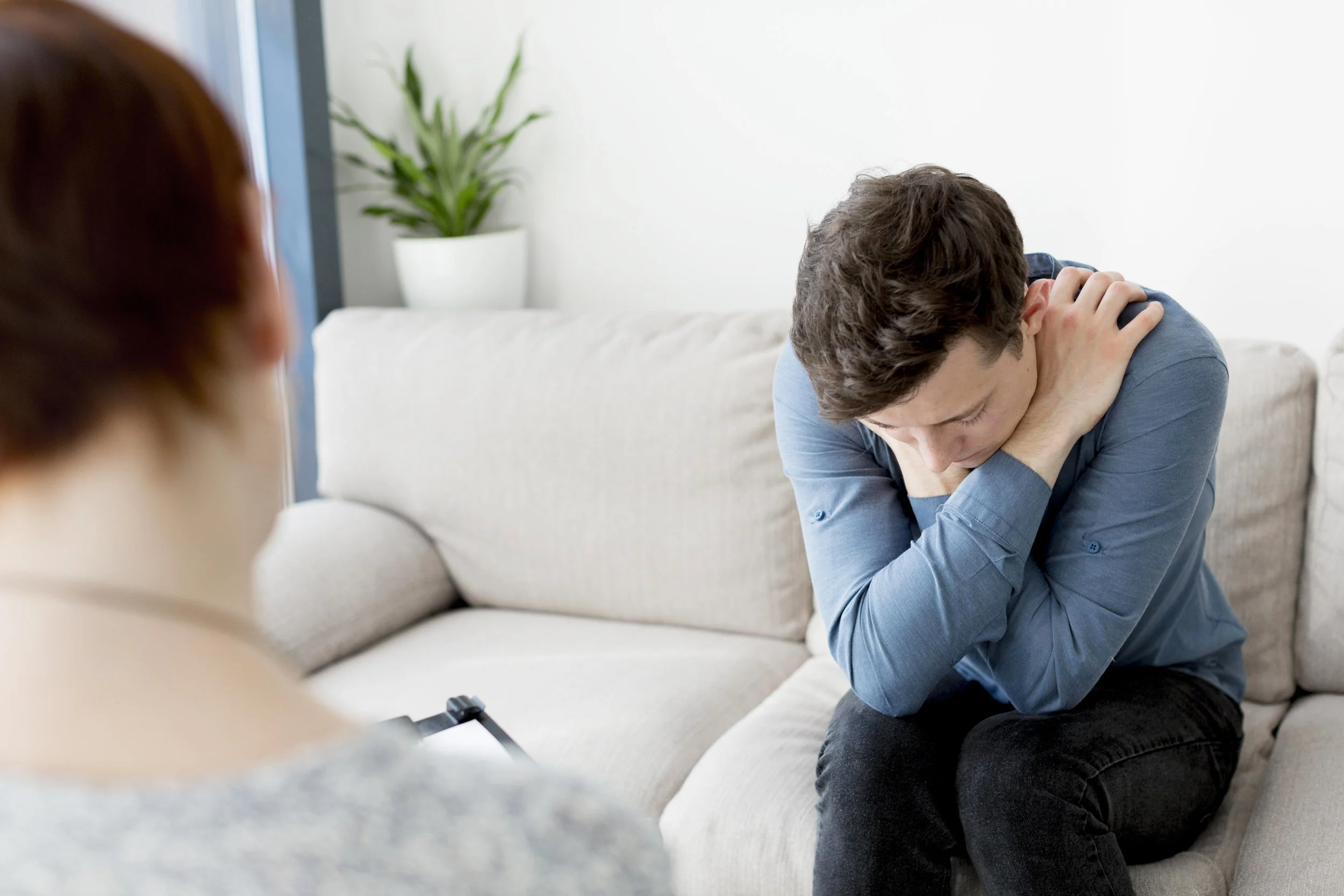
Emotional numbness and withdrawal are common PTSD symptoms that can impact relationships and wellbeing.
It is never too late to get help
Some people avoid treatment because the trauma happened years ago. They think they missed the window, or that if they were going to heal, it would have happened by now.
That is not true.
The VA states clearly that it is never too late to get help for PTSD, and that counseling or treatment can help manage symptoms and keep them from worsening. (Veterans Affairs)
If the trauma was recent, getting help matters. If the trauma was many years ago and still echoes in your sleep, your body, your relationships, or your sense of safety, getting help still matters.
You are not disqualified from healing because time has passed.
Support can look practical and grounded
Getting help for PTSD does not mean you have to dive into everything all at once.
A good trauma-informed provider can help with:
Understanding what your symptoms mean
Grounding and nervous system regulation
Sleep and nightmare support
Coping with triggers
Trauma-focused therapy when you are ready
Building a sense of safety in daily life again
VA and NIMH sources both point to effective treatment options, including psychotherapy and, in some cases, medication support. (PTSD.va)
If this article feels personal, let that be information, not shame. PTSD symptoms are real, and they are treatable. You do not have to keep guessing whether what you are carrying is “serious enough.” If the trauma still feels active in your mind, body, or daily life, that is reason enough to seek help.