

How PTSD Can Affect Relationships, Trust, and Emotional Safety
PTSD does not stay neatly contained inside memories.
A lot of people think of PTSD as flashbacks, nightmares, or feeling startled easily. Those can absolutely be part of it. But PTSD also reaches into everyday connection. It can affect how safe you feel with other people, how easily you trust, how you handle conflict, how close you let someone get, and how your body reacts even in relationships that matter deeply to you.
That is one reason PTSD can feel so painful and confusing. You may care about someone, want closeness, and still find yourself pulling away, shutting down, getting defensive, or feeling on edge around them. From the outside, this can be misunderstood as distance, anger, insecurity, or lack of effort. Inside, it often feels like your nervous system is trying to protect you from something that is not fully happening now, but still feels possible.
If that sounds familiar, you are not alone. PTSD can affect relationships in real and significant ways. Understanding that can be the first step toward more compassion, better communication, and the right kind of support.
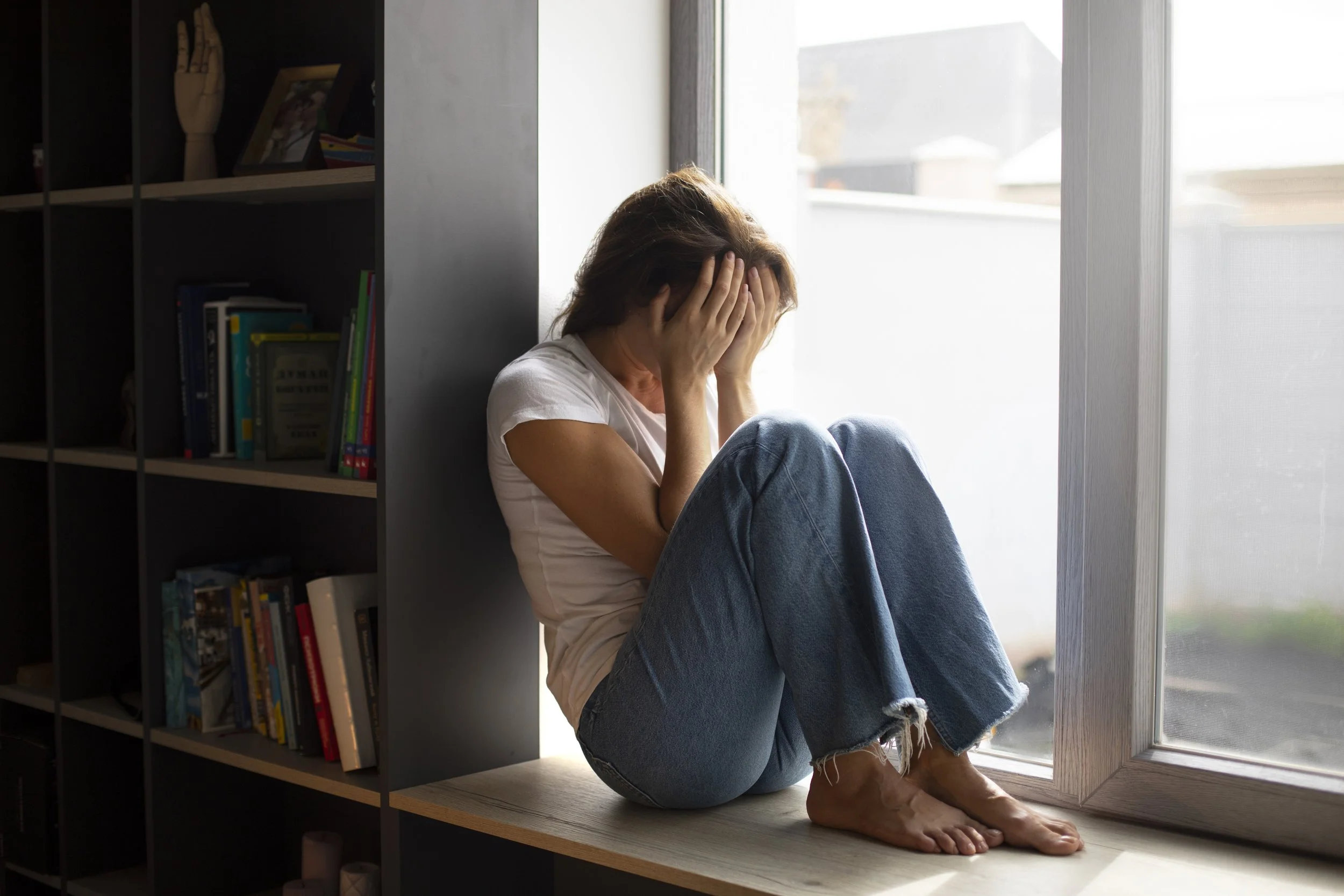
Past traumatic experiences can affect a person's ability to trust others and feel emotionally safe in relationships.
PTSD can make closeness feel complicated
A lot of people with PTSD want connection and fear it at the same time.
That can be hard to explain, especially if you are in a relationship with someone kind or safe. You may genuinely want intimacy, support, and partnership, but still feel tense when someone gets emotionally close. You may find yourself wanting reassurance while also feeling uncomfortable being vulnerable enough to receive it.
This can look like:
pulling away after moments of closeness
feeling flooded by emotional conversations
becoming guarded when someone wants more honesty or intimacy
wanting support but feeling irritated when people get too close
feeling exposed when someone is kind, patient, or consistent
This is not because you do not care. It is often because trauma changed what closeness feels like in your body. If trust, vulnerability, or emotional openness were ever tied to pain, betrayal, fear, or unpredictability, your nervous system may still read closeness as risky, even when part of you knows better.
That can create a painful push-pull dynamic in relationships. You may want to feel safe with someone and still have a hard time letting your body believe that safety is real.
Trust can feel fragile, even when there is no clear reason
PTSD often affects trust in ways that are deeper than logic.
You may know someone has given you no clear reason to doubt them, but part of you still feels watchful. You may scan for changes in tone, body language, or behavior. You may feel yourself waiting for disappointment, abandonment, dishonesty, or harm, even when there is no direct evidence that it is coming.
This can look like:
reading too much into small changes
assuming distance means rejection
feeling suspicious when things are going well
struggling to relax into consistency
expecting the other shoe to drop
When trauma has taught your system that safety can disappear quickly, trust often stops feeling simple. Instead of assuming you are safe until proven otherwise, you may assume you need to stay alert until safety is proven over and over again.
That kind of vigilance is exhausting. It can also be confusing for the people around you, especially if they do not understand that your mistrust is not always about them specifically. Sometimes it is about what your body learned long before they were in your life.
If this is affecting your relationship, therapy can help you sort out what belongs to the present and what may still be coming from the past.

PTSD can create emotional distance and make it difficult to feel connected to others.
Emotional safety can feel harder to access than physical safety
A person can be physically safe and still not feel emotionally safe.
This is especially true with PTSD.
You may be in a stable environment and still feel:
braced during difficult conversations
easily overwhelmed by conflict
fearful of being judged, blamed, or misunderstood
unable to relax when someone is upset with you
like you need to protect yourself even in minor disagreements
Emotional safety is not only about whether someone is objectively kind. It is also about whether your body believes it is safe to stay present, speak honestly, and be imperfect without being harmed.
For many people with PTSD, emotional safety gets disrupted first in moments of conflict, disappointment, or emotional intensity. A simple disagreement can feel much bigger inside. A partner asking a hard question can feel like a threat. A change in tone can activate panic, shutdown, anger, or defensiveness before you even know what is happening.
That does not mean the relationship is doomed. It does mean the trauma response may need attention, especially if it keeps turning normal relational stress into something your body experiences as danger.
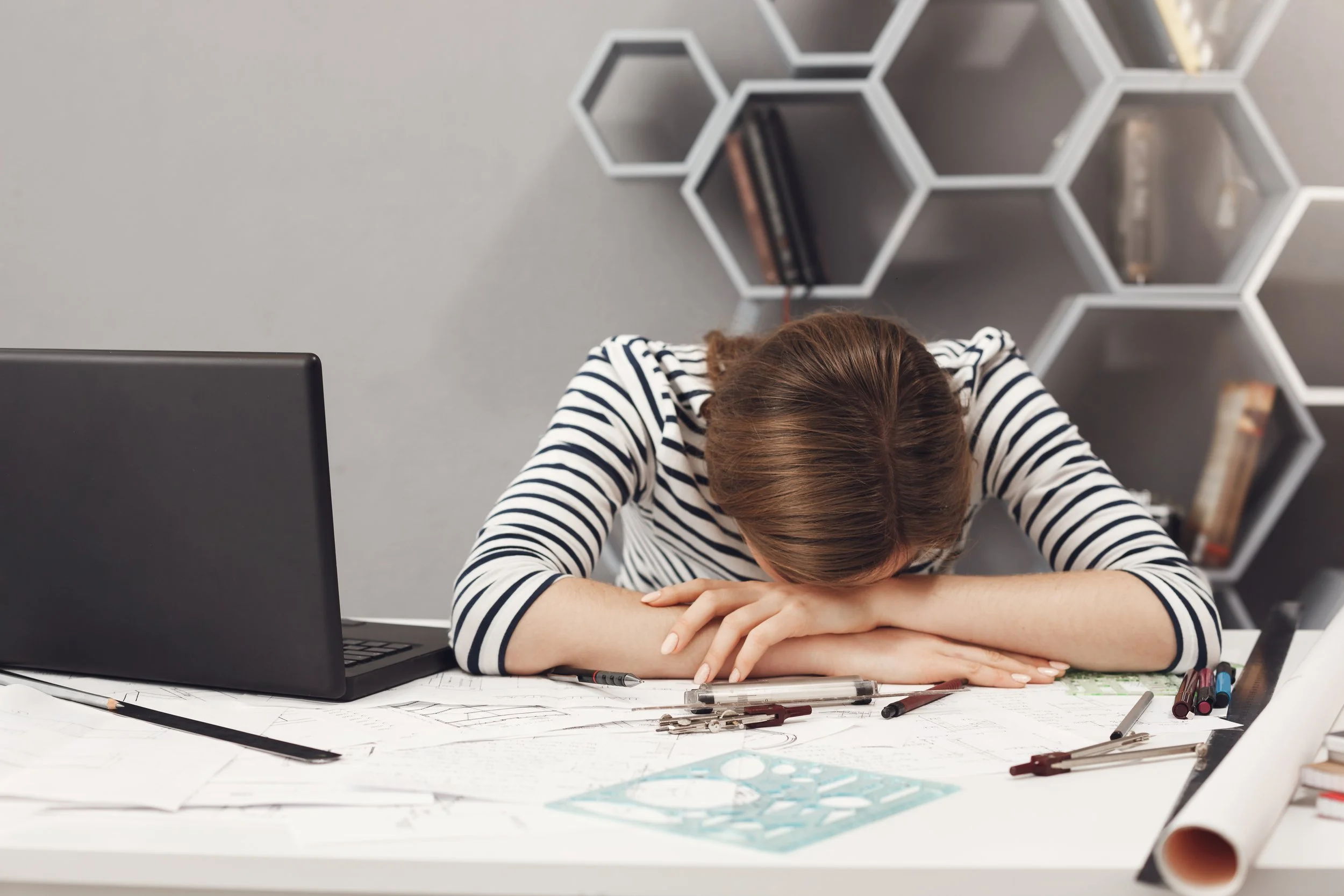
PTSD can create emotional distress and make it difficult to feel connected to others.
PTSD can make conflict feel much more intense
Conflict is hard for many people. With PTSD, it can feel overwhelming.
You may notice that during conflict you:
shut down completely
go blank and cannot find words
become defensive very quickly
feel your heart race or your body tense
want to escape the conversation immediately
react as if something much bigger is happening
This often happens because conflict can activate older patterns of fear, helplessness, shame, or threat. Even if the current disagreement is manageable, your nervous system may not experience it that way.
This can be deeply frustrating. You may think, “Why am I reacting this strongly?” or “Why can I not just stay calm and talk this through?”
The answer is often that your body is reacting faster than your thinking mind can catch up. Trauma responses are not always rational in the moment. They are protective.
If conflict keeps feeling too big, too fast, or too loaded, that is not something to dismiss. It may be a strong sign that trauma is still shaping your relationships from behind the scenes.
Irritability and anger may be part of the picture too
Not everyone with PTSD looks fearful on the outside.
Sometimes PTSD shows up more like irritability, frustration, or anger. A person may be easily startled, easily overwhelmed, or emotionally thin from the constant effort of staying regulated. That can lead to:
snapping more quickly
having a shorter fuse
feeling irritated by ordinary stress
reacting strongly to feeling controlled, cornered, or dismissed
regretting how intense you sounded afterward
This can be especially hard in close relationships because the people you love often see the most unfiltered version of your nervous system.
If you find yourself thinking, “I do not want to react like this,” that matters. The anger may not be the whole issue. It may be the visible edge of trauma, hypervigilance, exhaustion, or old pain getting activated in the present.
A therapist can help you understand what is underneath the anger, not just how to suppress it.

PTSD can keep the nervous system on high alert, making emotional closeness and safety difficult to experience.
PTSD can create distance even when love is present
One of the saddest parts of PTSD in relationships is that love may still be there, even when connection feels hard.
You may deeply care about your partner, child, friend, or family member and still struggle with:
emotional numbness
withdrawal
lack of interest in connecting
difficulty being physically affectionate
trouble expressing feelings
feeling disconnected during moments that should feel close
This does not always mean the relationship is wrong. Sometimes it means trauma has made it hard to stay present enough to feel closeness fully.
People with PTSD often carry a lot of guilt about this. They may worry that they are hurting people they love, or that they are somehow broken because they cannot show up the way they want to.
That guilt can make the distance even worse if it turns into silence or self-blame.
If this is happening, it may help to know that emotional distance can be a trauma response, not a lack of love. And that response can be worked with.
Hypervigilance can make ordinary relationship moments feel loaded
A lot of PTSD symptoms in relationships come down to hypervigilance.
You may constantly monitor:
facial expressions
silence
text response times
tone of voice
body language
any sign that something has changed
This can create a relationship experience where nothing feels neutral. Small moments carry a lot of meaning. A delayed response may feel like rejection. A tired tone may feel like anger. Someone needing space may feel like abandonment.
Living this way is exhausting. It keeps your nervous system in a state of watchfulness instead of ease.
It can also lead to misunderstandings because the story your body tells you may feel certain, even when it is not actually accurate.
If you recognize this pattern, therapy can help you slow it down and separate what is happening now from what your trauma expects to happen next.
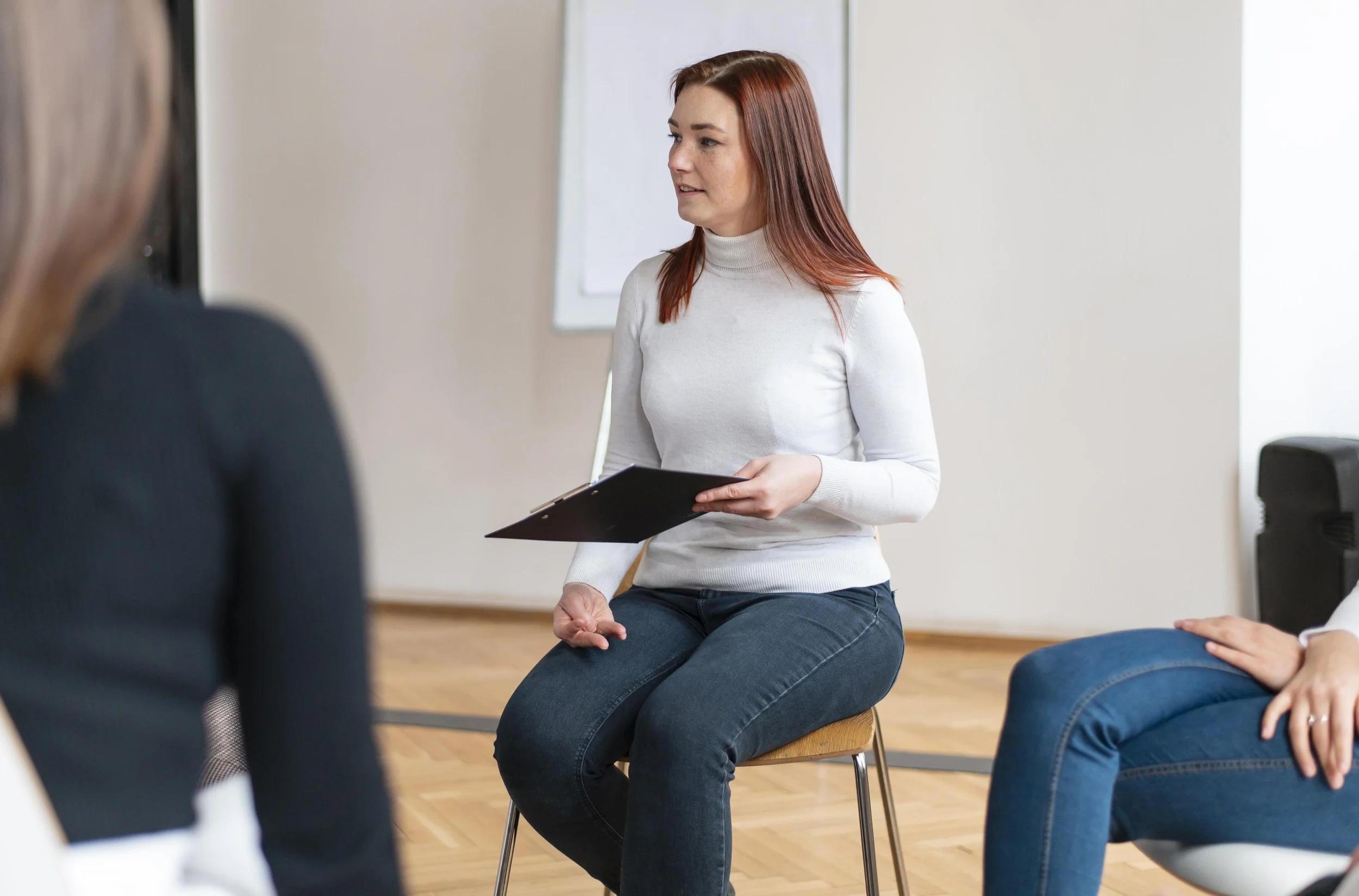
Therapy can help individuals understand how PTSD affects relationships and develop healthier patterns of connection.
Therapy can help rebuild trust and emotional safety
The good news is that PTSD does not have to define your relationships forever.
Therapy can help with:
understanding trauma triggers in relationship moments
learning how your nervous system responds to closeness and conflict
building grounding skills so conversations feel less overwhelming
processing past experiences that still shape present trust
improving emotional regulation and communication
reducing shame around the ways PTSD has affected connection
For some people, therapy also helps them explain their experience more clearly to a partner or loved one. That can be powerful. When relationships have a better language for what is happening, there is often less blame and more understanding.
Healing does not usually mean you never get triggered again. It often means you notice what is happening sooner, understand it better, and have more ability to respond instead of only react.
If your relationships have been carrying the weight of your trauma, support may help more than you realize.
You do not have to wait until the relationship is in crisis
A lot of people wait too long because they tell themselves:
“It is not that bad.”
“I can manage it.”
“This is just how I am now.”
“I do not want to make it a bigger deal.”
But if PTSD is affecting how safe you feel with people, how you handle trust, or how you stay emotionally present in relationships, that already matters.
You do not need to wait until the relationship is falling apart.
You do not need to wait until conflict becomes constant.
You do not need to wait until the distance feels unbearable.
If this article feels personal, that may be worth paying attention to. PTSD can affect relationships, trust, and emotional safety in very real ways. The right therapy can help you understand those patterns, soften them, and create more room for the connection you actually want.