

Signs Alcohol Use May Be Affecting Your Mental and Emotional Health
A lot of people look at alcohol mainly through a physical lens.
They think about hangovers, sleep, weight, or whether they are drinking “too much.” What often gets missed is how alcohol can affect mental and emotional health too. Alcohol use disorder often occurs alongside mental health conditions, and alcohol itself can worsen mood, anxiety, sleep, and emotional stability. (NIAAA)
That is one reason this can be hard to spot early. You may not think of drinking as the problem because it may feel like the thing helping you unwind, sleep, socialize, or escape stress for a little while. But sometimes the very thing that feels like relief in the short term starts making your emotional world heavier in the long term. SAMHSA notes that alcohol problems may need attention when changes in mood, thoughts, body, or behavior start making it harder to manage daily life and relationships. (SAMHSA)
If you have been wondering whether alcohol may be affecting your mental and emotional health, there are some signs worth paying attention to.
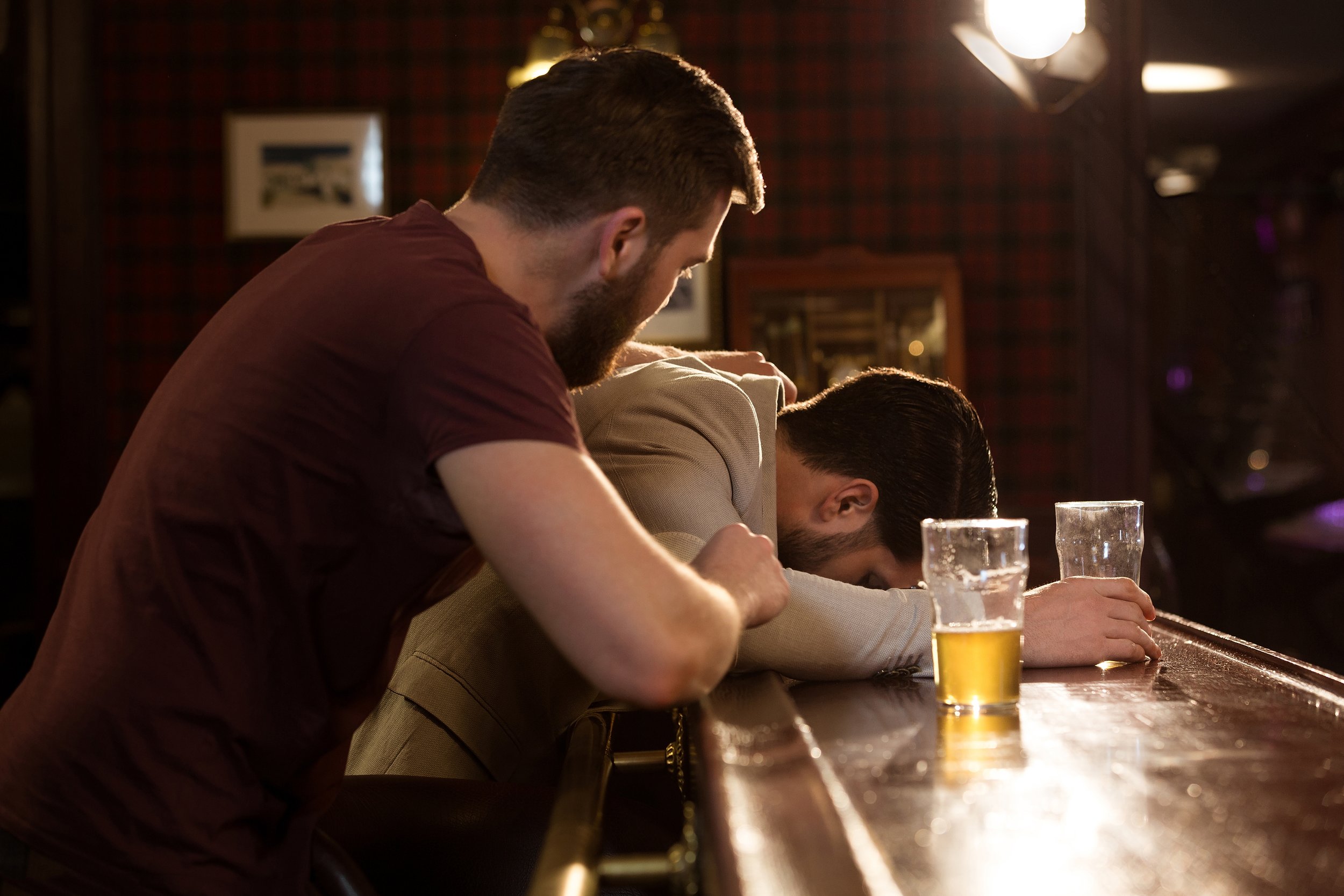
This image represents the connection between alcohol use and changes in mental and emotional health.
You feel more anxious than you used to
One common sign is that anxiety starts feeling louder, more frequent, or harder to settle.
You may notice that drinking seems to calm you down at first, but later you feel more on edge, more restless, or more mentally crowded. You may wake up anxious, feel more irritable the next day, or find that your nervous system feels less steady overall. NIAAA notes that alcohol use disorder frequently co-occurs with anxiety and other mental health conditions, and SAMHSA includes anxiety and irritability among signs that alcohol may be becoming a problem. (NIAAA)
This can be especially confusing because alcohol may still feel like your quickest way to relax. But if your baseline anxiety has been getting worse over time, alcohol may be part of the reason, not just the solution.
Your mood feels lower, flatter, or less stable
Alcohol can also affect mood in ways people often underestimate.
You may notice that you feel more down after drinking, more emotionally flat during the week, or less able to access real joy and steadiness. Some people find they become more tearful, more numb, or more hopeless as drinking becomes more frequent. SAMHSA notes that substance use and mental health problems often overlap, and that some substances can contribute to depression and other emotional symptoms. NIMH also explains that substance use and mental disorders are often interconnected and can influence each other. (SAMHSA)
If your emotional life has started feeling heavier, duller, or harder to regulate, it is worth asking whether alcohol is helping less than you think and costing more than you realize.
You are using alcohol more for coping than for enjoyment
This is one of the biggest signs.
At first, drinking may feel social, occasional, or tied to celebration. Over time, it may become more about management than enjoyment.
You may notice thoughts like:
“I need this to calm down.”
“I need this to get through the evening.”
“I need this to feel normal around people.”
“I need this so my brain will shut off.”
That shift matters. SAMHSA and NIMH both note that mental health and substance use often overlap, and some people use alcohol as a form of self-medication when they are struggling emotionally. (SAMHSA)
If alcohol has quietly become your main coping tool for stress, loneliness, anxiety, shame, or sadness, that is important information. It does not mean you are weak. It often means you need more support than alcohol can actually give.
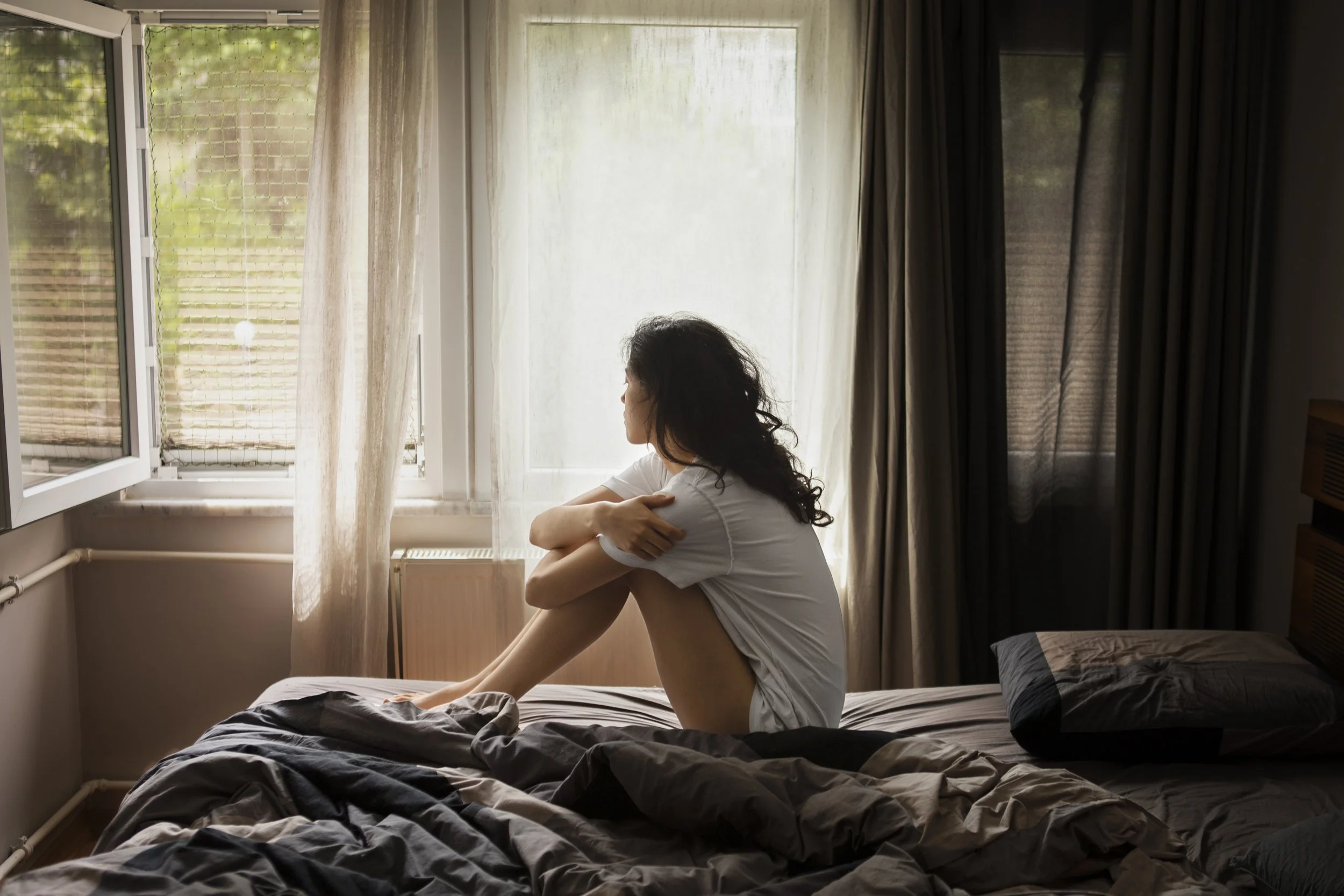
Alcohol may temporarily reduce stress but can sometimes contribute to worsening emotional and mental health over time.
Your sleep is getting worse, not better
A lot of people use alcohol because it seems to help them fall asleep.
But over time, many people notice their sleep quality gets worse. You may fall asleep faster but wake up more during the night, sleep lightly, wake early, or feel more tired and emotionally worn out the next day. Poor sleep can make anxiety, depression, irritability, and emotional overwhelm much harder to manage. NIAAA identifies alcohol as something that affects health and wellbeing broadly, and SAMHSA notes insomnia among signs that alcohol may be becoming a problem. (NIAAA)
If you are drinking for sleep but your sleep still feels fragile, unrefreshing, or emotionally costly, that is worth paying attention to.
You feel more irritable, reactive, or emotionally thin
Sometimes alcohol’s impact on mental health shows up as a shorter fuse.
You may notice that you are snapping more easily, feeling more defensive, getting frustrated faster, or having less patience with people you care about. SAMHSA lists anger, fighting with family and friends, and mood changes as warning signs that mental health or alcohol use may need attention. (SAMHSA)
This can happen because drinking affects sleep, stress tolerance, and emotional regulation. If your emotional bandwidth is already low, alcohol can make it even harder to recover from stress in a steady way.
If you have been feeling less like yourself lately and more emotionally sharp or fragile, alcohol may be part of the pattern.
You feel more ashamed, secretive, or defensive about drinking
Another sign is not only how much you drink, but how you feel about it.
You may start:
minimizing how often you drink
hiding how much
feeling irritated when someone brings it up
making private rules and breaking them
feeling ashamed after the fact
telling yourself it is “not that bad” while still worrying about it
These are important signs because they often show that part of you already knows the relationship with alcohol is shifting. NIAAA defines alcohol use disorder as an impaired ability to stop or control alcohol use despite negative consequences, and SAMHSA points to interference with family, work, and daily life as warning signs. (NIAAA)
If secrecy and shame are growing around your drinking, that usually means the issue deserves more honesty, not more silence.

Changes in mood, motivation, and emotional stability can sometimes be linked to ongoing alcohol use.
Your relationships are feeling the impact
Alcohol use may be affecting your mental and emotional health if the people around you are starting to feel the strain too.
That can look like:
more conflict with a partner
withdrawing from friends
being emotionally unavailable
saying things you regret while drinking
feeling guilty the next day
hearing concern from people you trust
SAMHSA notes it may be time to seek help if changes in mood, body, or behavior are making it harder to manage relationships. NIAAA also notes that alcohol use disorder is defined partly by adverse social and occupational consequences. (SAMHSA)
This does not mean every argument after drinking equals a disorder. It does mean that when alcohol starts affecting closeness, trust, or emotional safety, it is worth taking seriously.
Your emotional health feels worse when you are not drinking
For some people, one of the strongest clues is what happens in the space between drinks.
You may notice:
anxiety when you are not drinking
irritability if plans change and you cannot drink
feeling flat or restless without it
using alcohol to feel “normal”
trouble imagining how to unwind without it
SAMHSA notes that withdrawal symptoms can include anxiety, irritability, insomnia, tremors, and restlessness. NIAAA also describes alcohol use disorder as involving impaired control and changes that make relapse more likely. (SAMHSA)
If alcohol has started to feel less like an option and more like an emotional necessity, that is a strong sign that support may be needed.
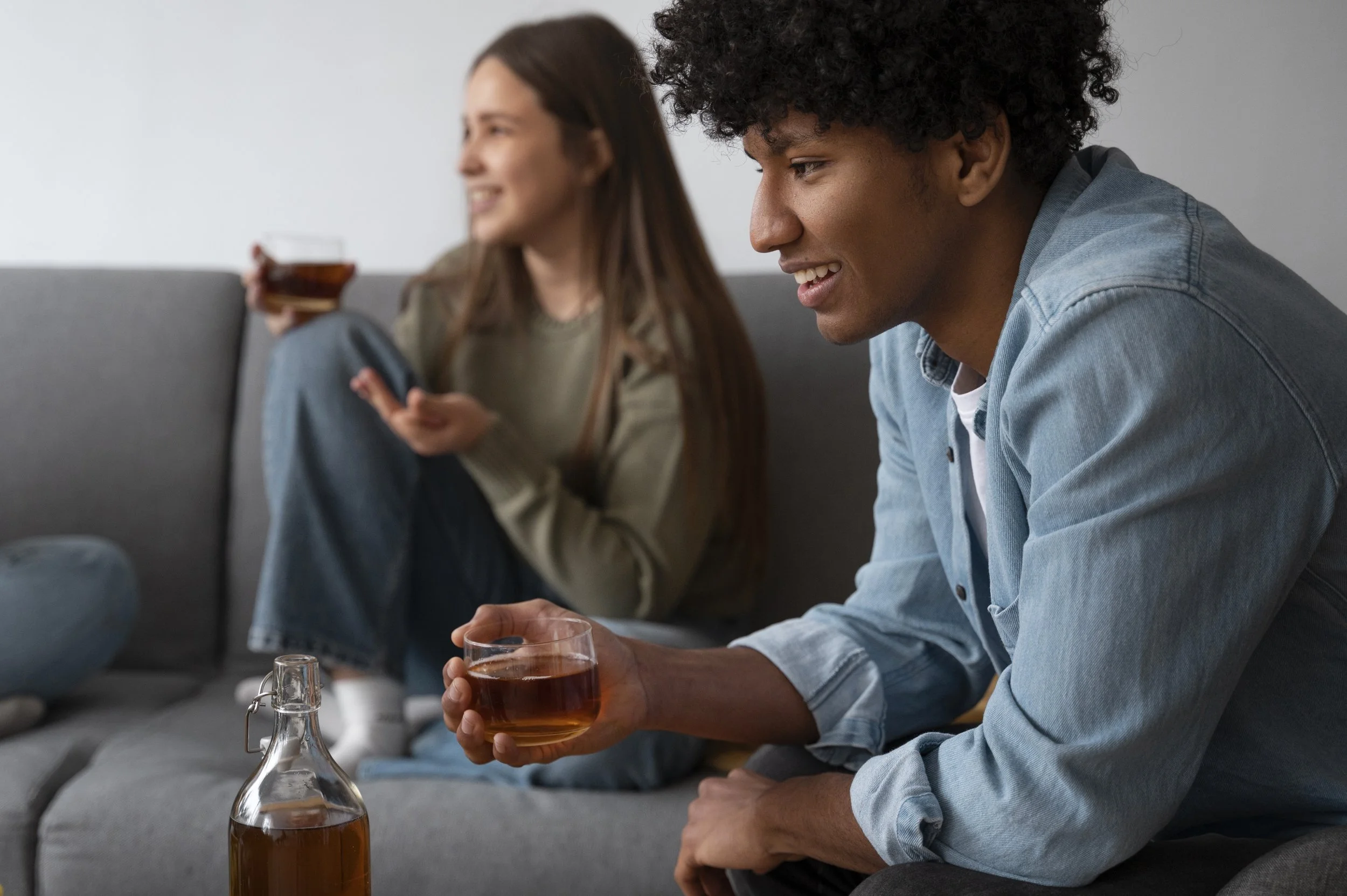
Alcohol use can affect relationships, emotional connection, and overall mental wellbeing.
Mental health struggles and alcohol often feed each other
This is one of the most important things to understand.
Alcohol and mental health often interact in both directions. Someone may drink because they are anxious, depressed, lonely, or overwhelmed. Then the drinking may worsen those same emotional states, which increases the urge to drink again. NIMH says the relationship between substance use and mental disorders is complex and often interconnected. NIAAA also notes that alcohol use disorder frequently occurs with mental health disorders, and either condition may develop first. (National Institute of Mental Health)
That is why it can feel so hard to sort out on your own. You may keep asking, “Am I anxious because I drink, or do I drink because I’m anxious?” Sometimes the answer is both.
If that cycle feels familiar, therapy can help you untangle it.
Therapy can help with more than just drinking less
A lot of people avoid reaching out because they think help will only focus on taking something away.
Good therapy usually does more than that.
It can help you:
understand what alcohol has been doing for you emotionally
identify triggers
work on anxiety, depression, trauma, or burnout underneath the drinking
build safer coping tools
reduce shame
strengthen support and accountability
figure out whether you need therapy, medical help, medication, recovery support, or a combination
NIMH says behavioral therapies such as CBT, motivational interviewing, and contingency management can help people manage co-occurring mental health and substance use concerns. NIAAA also notes that treatment for alcohol problems can include behavioral healthcare, medications, and mutual-support groups. (National Institute of Mental Health)
If part of you is already worried, that is enough reason to talk with someone.

Therapy can help individuals understand the role alcohol may be playing in their emotional and mental health
When it may be time to get help
It may be time to seek support if:
your anxiety or mood has worsened
you rely on alcohol to cope emotionally
your sleep is worse
your relationships are being affected
you feel ashamed or defensive about your drinking
you keep trying to cut back and cannot sustain it
life feels harder to manage with alcohol in the picture than without it
SAMHSA says it may be time to ask for help if changes have lasted two or more weeks and are making it harder to manage daily life, work, home, or relationships. (SAMHSA)
You do not have to wait until things become dramatic. You do not have to hit rock bottom first.
If this article feels a little too personal, that may be a useful signal. Sometimes the earliest honest question, “Is alcohol affecting me more than I want to admit?” is the beginning of getting real support and real relief.